Property Types We Roof
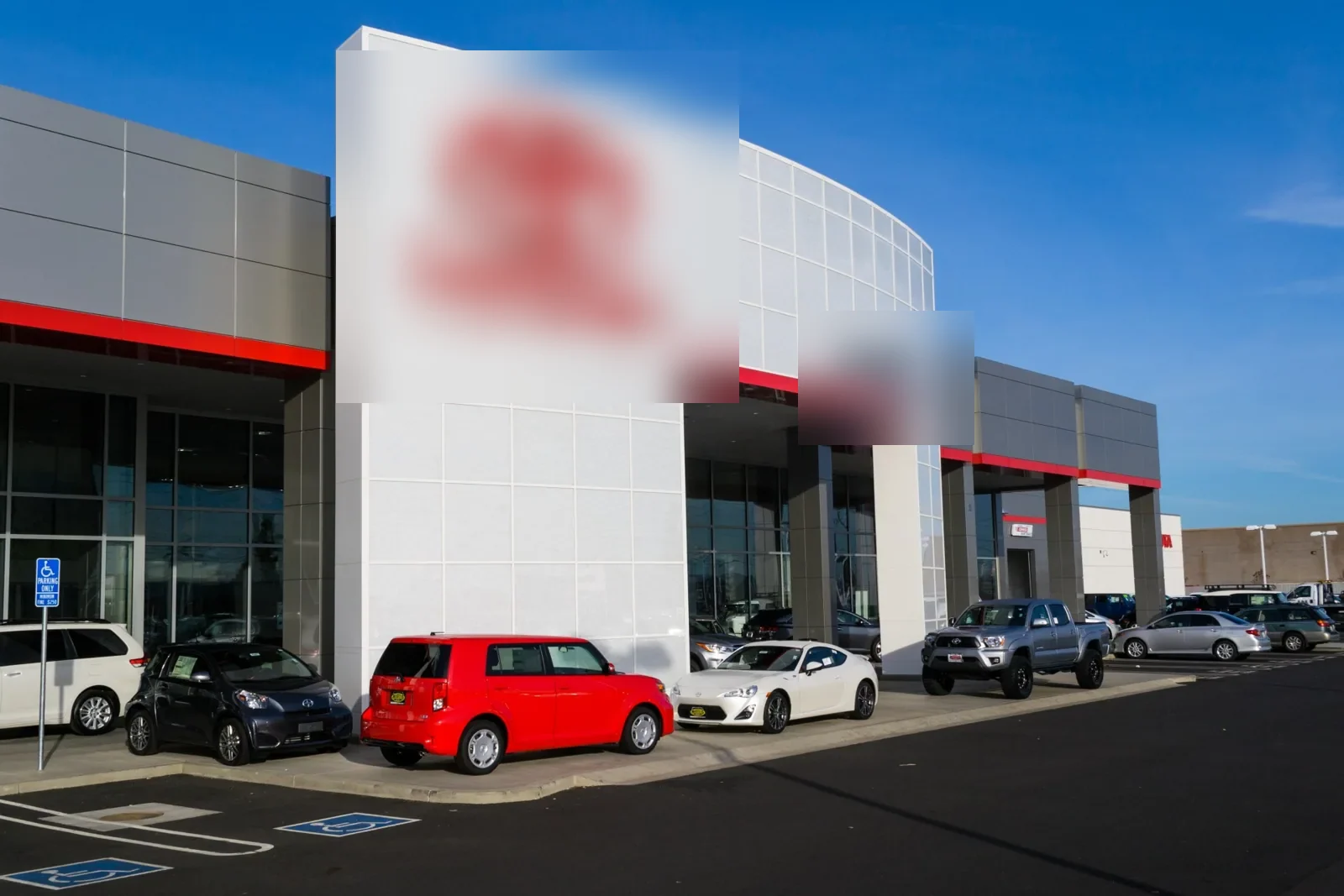
Auto Dealership Roofing in High Point, NC
Inspect auto dealership roofs in High Point for showroom leaks, service-bay transitions, drains, equipment, and phased work around customer and vehicle access.
A dealership roof serves a customer-facing showroom, service bays, parts storage, and vehicle circulation that may occupy different building zones. We map the reported leak or roof defect to the area below, inspect the assembly, and plan access around customer traffic and service operations. The scope distinguishes an immediate repair from maintenance or capital work.
High Point's largest employers include Thomas Built Buses/Daimler and Volvo Group North America. The city's current growth sectors include automotive and advanced manufacturing. The City also maps Gallimore Industrial Center near I-40 and NC 68 and business areas around Kivett Drive. These facts describe local industrial activity and access corridors, not a dealership or its roof. The inspection stays property-specific.
Keep vehicles and customer routes moving
We coordinate service-bay hours, customer entrances, vehicle staging, parts deliveries, lift placement, and any lane that must remain open. Management confirms where roofing materials can be unloaded and which spaces cannot be blocked. The work plan identifies access routes and temporary protection before the crew reaches the roof.
If a repair sits above an active service lane, we define the work boundary and indoor protection with the dealership contact. A phased occupied-building sequence can divide roof areas so service operations continue in unaffected bays. The facility decides whether vehicles or equipment need to move below the active section.
We confirm whether showroom and service operations share the same roof, loading side, or equipment platform. If a roof section can be reached only through a service yard, the plan identifies the route and the time when the bay lead can clear it. If different departments control access, each receives the work boundary before materials arrive.
Showroom lighting, signs, exhaust, and rooftop HVAC may require separate coordination. We inspect the roof-side curb and flashing, while the dealership’s equipment contractor controls mechanical work. The report identifies each dependency rather than placing a service-system task inside a roofing allowance.
Trace water across showroom and service areas
A stain above a showroom display or service bay does not identify its roof entry point. Water may run beneath a membrane or along a deck before appearing inside. We compare the reported room, timing, roof slope, drains, equipment transitions, and prior repairs. The report notes whether the source is confirmed and whether test cuts or interior access are still required.
We inspect seams, parapets, skylights, roof-to-wall transitions, curbs, exhaust fans, and perimeter metal. A drain review follows outlets and overflow routes; an equipment curb inspection records flashing and support details. Each roof zone receives a location reference that dealership staff can match to the affected bay or display area.
Water near a vehicle lift, electrical panel, or sensitive parts inventory may require prompt interior protection. The owner identifies any restricted space and approves temporary measures. The roof inspection documents the source and repair area without making claims about vehicle or electrical condition.
Check roof materials after weather events
High Point lies in the Piedmont and has four seasons, with generally light winter snowfall. Seasonal heat, rain, and freezing periods affect access and installation timing. We inspect the dealership’s current roof surface and drainage, then schedule materials according to actual conditions and product requirements.
The March 18, 2021 severe-weather event included a tornado close to High Point. That record is weather context rather than a finding about a dealership. If a current storm report prompts an inspection, we photograph the roof field, equipment attachment, edge details, and interior areas at the property, then distinguish new observed damage from prior wear.
Metal panels and low-slope membranes respond differently to movement and impact. We record the material, fasteners or seams, flashing, and affected area so a repair follows the system present. If the roof has several additions, each transition receives a separate note.
Compare a bay repair with full renewal
A localized repair can address an opening, split seam, failed flashing, or loose edge if nearby materials remain sound. We define preparation, compatible material, repair dimensions, and adjacent details. If several areas leak or wet insulation is found, we compare the affected zones before recommending a broader phase.
Recovery is considered only when moisture, attachment, deck capacity, drainage, edge height, and product rules support another layer. Replacement planning identifies tear-off, temporary dry-in, service-bay protection, equipment coordination, and staging. A standing-seam system or TPO assembly may be compared where the building design allows it.
Cost and timing depend on roof area, access, equipment density, existing layers, test openings, work window, weather, and material availability. We state which quantities are measured and which may change after a test. A replacement plan shows how the work can proceed across separate bays and roof sections. If replacement is deferred, the report lists the interim repair and the conditions that should trigger an earlier reinspection, so maintenance staff have an actionable interval rather than an open-ended note.
Record the roof by building zone
Closeout includes dated photographs, a roof map, repair locations, material notes, and unresolved conditions. We identify the bay or showroom area below each zone when dealership staff provide that reference. Any area not inspected because of access or equipment limits remains listed for follow-up.
If a rooftop unit or sign is replaced later, the closeout gives facilities staff a dated baseline for the nearby flashing and support. It does not authorize equipment work; the separate contractor remains responsible for its scope. A portfolio may include a flex-industrial building or large retail property with a different access plan, so each building keeps its own roof history.
Before the crew leaves, the dealership contact can confirm the completed repair boundary, interior protection, and any lane or bay returned to service. Arrange a roof walk when a service bay reports water, equipment work is planned, or a capital plan needs measured areas. We document the assembly and deliver a repair or renewal scope tied to the operating calendar.
For a phased project, label each roof area by the service or showroom zone below it, then note the sequence, daily weather protection, and acceptance status. Record any open punch item with an owner, due date, and photograph reference. This gives the next facilities review a clear distinction between completed work, deferred work, and a condition that still requires testing.
When the work is phased, label each roof area by the service or showroom zone below it, then record the sequence, daily weather protection, and acceptance status. List open punch items with an owner, due date, and photograph reference. This gives the next facilities review a clear distinction between completed work, deferred work, and a condition that still requires testing.
Related Roofing Work
Storm and Roof Damage Repair
Storms that reach the Triad can lift edges, open seams and crack flashing. Start here:
- Wind Damage Roof Inspection and RepairInspect High Point commercial roofs after high winds, document edge and flashing conditions, stabilize exposure, and define measured repair limits.See repair options
- Hail Damage Roof Inspection and RepairAssess High Point commercial roofs after hail, document impact evidence, select focused testing, and define measured repairs without assuming causation.See repair options
- Tornado Damage Roof Assessment and RepairAssess High Point commercial roofs after tornado damage with released access, roof-zone mapping, temporary stabilization, and staged repair records.See repair options
Roof Assessment
Map roof work around dealership activity
Arrange a High Point dealership roof walk for bay-aware access, a dated condition record, and a measured repair or renewal scope.
Questions About Auto Dealership Roofing
Can roof work continue while service bays are active?
Often, with a defined zone and protection plan. We coordinate bay schedules, vehicle movement, overhead access, customer routes, and the daily closeout with dealership staff.
How do you handle a leak over the showroom?
We map the interior report, inspect the roof above and along its drainage path, and identify a confirmed opening or next test before setting the repair boundary.
Will a roof replacement block vehicle deliveries?
The schedule identifies staging, unloading, lift placement, and any lane restriction. Management confirms delivery windows so roof work can be sequenced around them.
What drives the price of dealership roof repairs?
The measured area, assembly, equipment transitions, access, bay protections, testing, and material lead time shape the work. We list confirmed items separately from conditions that need more review.
More questions? Ask our roofing team or call 555-555-5555.
Request a Roof Assessment in High Point
Send the address, the roof concern and when the roof can be reached. We walk the roof, photograph what we find and explain the repair or replacement options.
Roof Assessment
Commercial Roofing in High Point
Call, email or send the building details. We set a time to walk the roof and look at the leak, the drains and the flashing.