
Roofing Capabilities
Commercial Roof Condition Reports in High Point, NC
Get a High Point commercial roof condition report with a mapped inspection boundary, dated evidence, measured findings, and actionable next steps.
A commercial roof condition report should let a facility manager see what was inspected, what was found, what remains uncertain, and which decision comes next. It combines a roof plan, dated photographs, observed conditions, measurements, access limits, and recommendations tied to evidence. A report is not a warranty, structural certification, or replacement proposal unless those separate services are expressly included.
High Point's business areas include Piedmont Centre and Enterprise Industrial Park. A roof report identifies the actual asset and building zone before presenting findings. We identify the actual asset and building zone before presenting findings.
Define the survey boundary before inspection
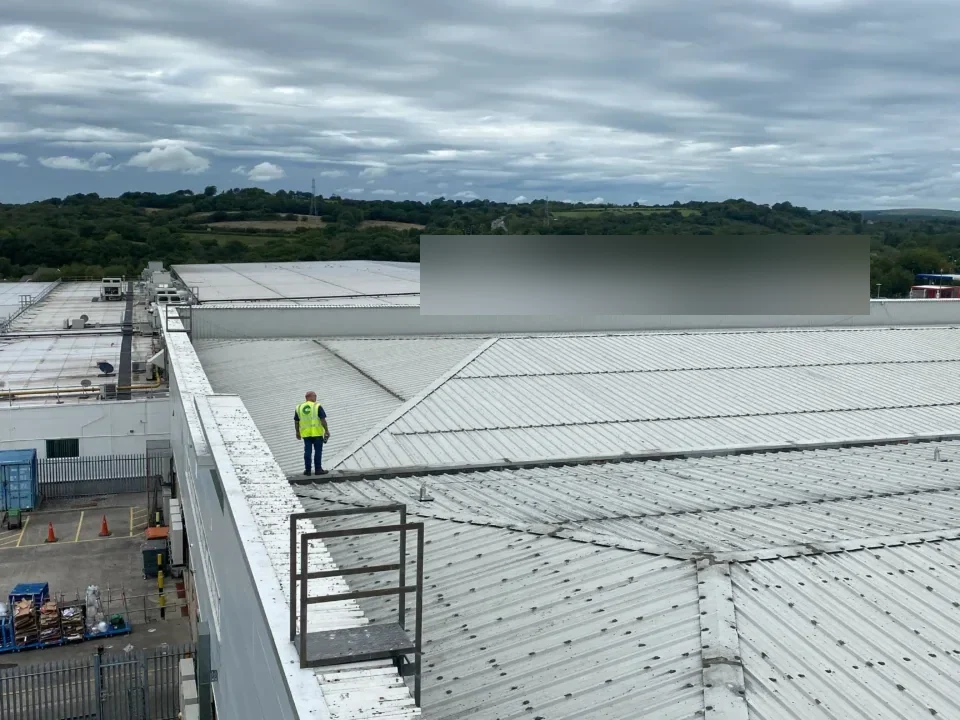
Confirm the property address, asset ID, roof maps, access contact, inspection purpose, and known leak or repair history. State which roofs, elevations, and details are included. List areas that are locked, covered, unsafe, or otherwise inaccessible. A roof walk is not complete merely because the report has photographs; the accessible boundary must be clear.
For active leaks, note the reported room and date without treating the ceiling location as the confirmed entry point. A field inspection records roof-side evidence. If an opening is confirmed, a leak assessment can set a repair boundary separately.
When the owner asks for a portfolio review, agree whether the report is a visual survey, diagnostic inspection, or test-based evaluation. Each method supports different conclusions.
Confirm whether the assignment includes rooftop mechanical equipment, walk pads, interior leak tracing, moisture testing, or only a visual roof walk. Clarify how the inspection will handle locked hatches, weather delays, and active tenant restrictions. These details set expectations before the report is used to solicit pricing or approve work.
Connect photographs, map, and observations
Use one location system across the roof plan, photograph labels, and findings table. A reviewer should be able to locate a drain, curb, seam, or edge without guessing. Capture overall context and close detail; include a scale reference when dimensions matter. Record the inspection date, weather, surface conditions, and relevant access limitation.
Separate observations from interpretations. “Open lap observed” is different from “water source confirmed,” and a suspected moisture area is not the same as verified wet insulation. If testing is recommended, explain what question it answers, the proposed location, and who authorizes opening the assembly. Test results should be attached to the same roof-zone reference.
For work completed during the visit, show before-and-after images and label temporary measures. Do not imply that a repair was completed if only an estimate was provided.
If a photograph does not show a seam, drain, or penetration clearly, schedule a closer view instead of assigning a cause from an indistinct image.
Translate findings into a useful action list
Group actions into immediate protection, repair, testing, monitor, and capital planning where those categories fit the evidence. Provide a reason, suggested timing, and decision owner for each item. Avoid false precision about urgency when the report has not assessed operational consequence or hidden layers.
A capital planning review can use current condition reports to compare timing and budget assumptions. For a confirmed opening or failed transition, a commercial roof repair can define the immediate work boundary. A roof asset register can retain the report with repair and inspection history. The summary should preserve links to the underlying evidence instead of flattening it to a single rating.
If a safety, structural, electrical, or mechanical question falls outside the inspection, name the appropriate follow-up professional. The roofing report should not imply a technical clearance outside its scope.
Make recommendations executable. “Monitor the roof” is incomplete without a location, timing, trigger, or observation to record. A useful monitor item names the seam, drain, or transition and explains what change should prompt a repair or further test. Similarly, a repair recommendation should identify the component and whether a contractor needs another trade or owner authorization.
Use a separate field for confidence or evidence status if the client wants prioritization. High confidence means the observation was accessible and clearly documented; it does not mean every concealed layer was evaluated. This distinction protects the report from being used beyond its inspection method.
For each recommendation, include a short statement of what would change its priority: new interior water, a test result, visible seam growth, or a planned equipment installation. This helps the facilities team route the action to the correct budget or maintenance queue. If no trigger is known, state that the timing is a planning suggestion and identify who should review it.
Ground each High Point report in the correct asset
Piedmont Centre and Enterprise Industrial Park are distinct High Point business areas. The facility address, owner asset ID, and current roof plan define the report, and each finding remains tied to the inspected building.
Where a property has several additions or roof elevations, label them with owner terminology and retain any prior aliases needed to locate old records. Confirm that the assigned technician and facility contact use the same naming. If a campus includes managed properties, coordinate with the responsible property manager and keep approval authority clear.
For a multi-site review, use common report fields but maintain a separate map and condition log for each property.
Issue a report that remains useful later
A useful closeout shows the inspection date, method, limitations, roof map, photographs, findings, and open recommendations. Supplied drawings and maintenance history help with orientation, while field observations describe what was visible during the visit. If an estimate accompanies the report, it should identify which findings it prices and which still need testing or authorization. After a repair, an addendum can show what changed without erasing the earlier baseline. This lets a future facilities manager trace an item from observation to test, approved work, and current status.
After a repair or test, issue an update that explains what changed and preserves the earlier baseline. Do not overwrite the original report without version history. A later facilities contact should be able to trace an action from the finding to the completed work or current open status.
Request a condition report when roof records conflict, recurring leaks need mapped investigation, or a capital review requires current field evidence. We document the inspected boundary and leave a clear next step for each unresolved item.
For a roof with several elevations or additions, use the same zone names in the map, estimate, repair ticket, and closeout. Labels that differ between documents can send a crew to the wrong curb or drain, especially where wings look alike. Before delivery, compare image captions with the roof plan and confirm that each recommendation points to the right area. The owner receives a report that can guide the next inspection, maintenance visit, or capital decision without rebuilding the location history.
Before final delivery, check that every image label matches the plan legend and that the findings table names the same roof zone. A mismatch can send a repair crew to the wrong location, especially on a campus with similar building wings.
Retain the final delivery date.
Keep the report indexed.
Use the correct asset ID.
Store it centrally.
When a roof has several elevations or additions, use the same zone names in the inspection, estimate, repair ticket, and closeout. The owner can then follow one finding through testing and work without confusing a neighboring roof section with the original observation.
Related Roofing Work
Storm and Roof Damage Repair
Storms that reach the Triad can lift edges, open seams and crack flashing. Start here:
- Wind Damage Roof Inspection and RepairInspect High Point commercial roofs after high winds, document edge and flashing conditions, stabilize exposure, and define measured repair limits.See repair options
- Hail Damage Roof Inspection and RepairAssess High Point commercial roofs after hail, document impact evidence, select focused testing, and define measured repairs without assuming causation.See repair options
- Tornado Damage Roof Assessment and RepairAssess High Point commercial roofs after tornado damage with released access, roof-zone mapping, temporary stabilization, and staged repair records.See repair options
Roof Assessment
Turn roof observations into a traceable record
Arrange a High Point commercial roof report with building-level mapping, evidence, limitations, and decision-ready recommendations.
Questions About Roof Condition Reports
Does a condition report certify the roof?
No. It records the inspection method, accessible conditions, and limitations. Structural capacity, warranty coverage, or a full system certification require separate scope and qualified review.
Can one report cover an entire campus?
A portfolio summary can cover multiple assets, but each building and roof zone needs a separate map, evidence record, and access status.
Will the report identify the cause of every leak?
Only when accessible evidence supports a conclusion. Otherwise, the report identifies observations and recommends a targeted test or follow-up.
Can you update a report after repairs?
Yes. An addendum can document completed work and new findings while preserving the original inspection baseline and date.
More questions? Ask our roofing team or call 555-555-5555.
Request a Roof Assessment in High Point
Send the address, the roof concern and when the roof can be reached. We walk the roof, photograph what we find and explain the repair or replacement options.
Roof Assessment
Commercial Roofing in High Point
Call, email or send the building details. We set a time to walk the roof and look at the leak, the drains and the flashing.