
Property Types We Roof
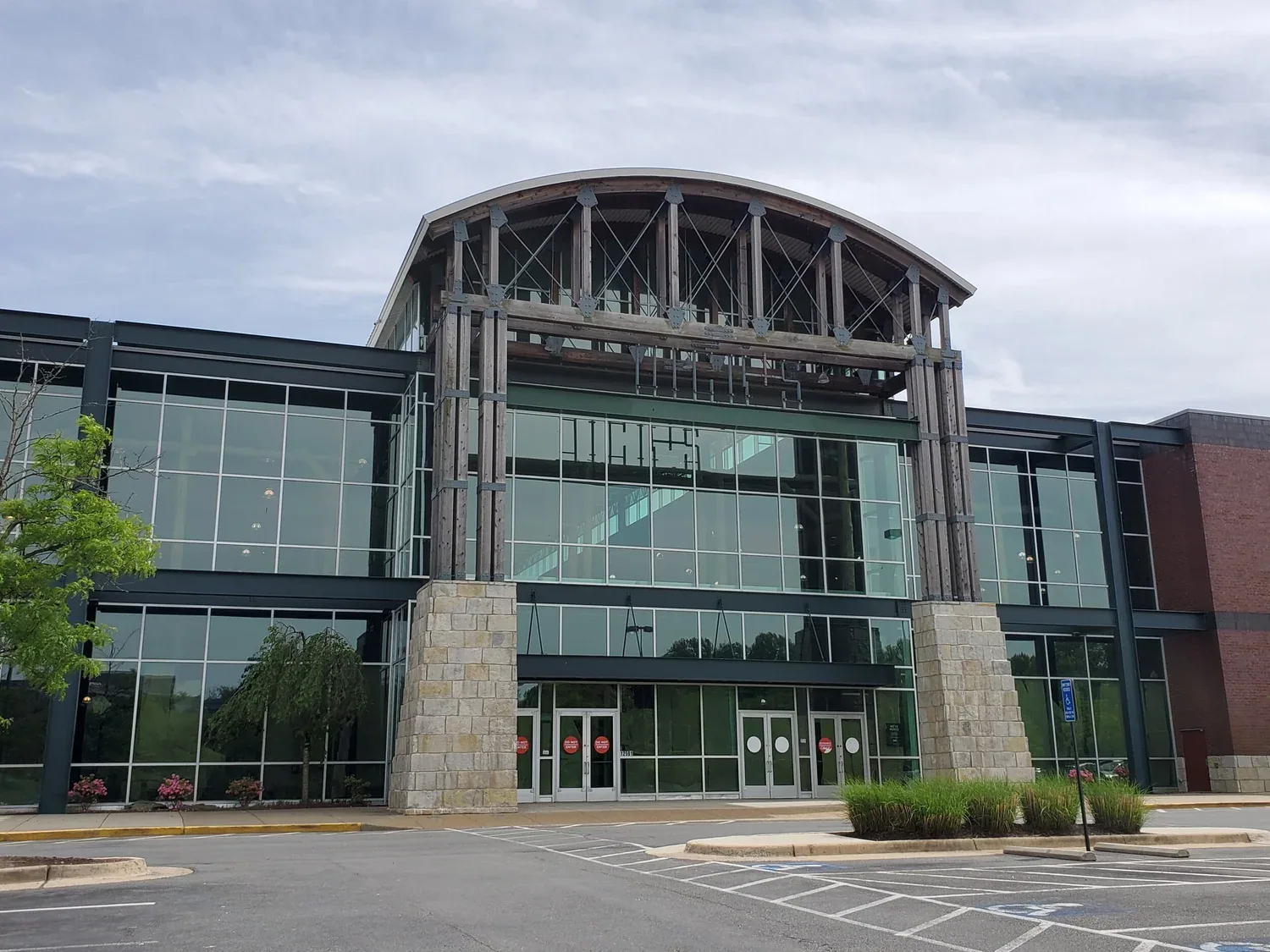
Big-Box Retail Roofing in High Point, NC
Inspect big-box retail roofs in High Point for long-span drainage, equipment transitions, loading access, and phased work that keeps store operations organized.
A big-box roof can span sales floor, stockroom, receiving, and mechanical areas under one continuous assembly. Before repair quantities are set, we map the roof, locate the water path, and identify the store functions below each work zone. The scope records what can be repaired locally and what needs a broader assembly review.
The Scannell industrial development is an airport-side warehouse and logistics project that included a Home Depot delivery operation and trucking tenancy. Premier Center includes offices, distribution activity, and MedCenter of High Point. The store inspection establishes its own occupancy and roof build-up.
Plan work around store operations
The store team identifies receiving windows, early-morning stocking, customer traffic, fire lanes, and any time that a loading bay must remain clear. We coordinate roof access, lift placement, material staging, and debris removal around those constraints. If the building is open during the project, each work area has an agreed boundary and end-of-shift dry-in condition.
A long roof can be divided into sections by expansion joint, drain field, department, or work sequence. The plan lists which area is active and which one is complete. A phased occupied-building plan can keep a replacement moving without treating the entire store as one open work zone. The store’s facilities contact approves any equipment shutdown or access restriction.
Roofing crews do not manage inventory, refrigeration, or sales-floor activity. We document what the roof team needs from store operations: access times, protected areas, rooftop equipment contacts, and the process for reporting water during work. This keeps responsibilities clear when a roof opening sits over a sensitive department.
Check long drainage paths
Large roof fields can carry water across substantial distances before it reaches a drain. We trace the low points, inspect outlets and overflows, and note any ponding after drainage has cleared. A blocked strainer calls for a different correction than a low area caused by slope or deck deflection. The report marks the location and photographs the path instead of treating every pond as the same issue.
Parapets, scuppers, expansion joints, and loading canopies may form separate drainage conditions. We inspect the transitions and check whether water crosses a roof boundary or collects at an edge. A drainage survey records the outlet and slope findings; a perimeter review checks coping, gutter, and edge metal transitions.
HVAC units, exhaust, signage, and conduit create repeated penetrations across a broad roof. We inspect curb flashing, support bases, and adjacent seams, then identify any mechanical trade coordination. A rooftop equipment inspection ties each transition to the roof plan.
Measure the existing roof before selection
Large-area renewal starts with the assembly at the site. We inspect membrane or panels, attachment, insulation, cover board, deck access, edge height, and existing patches. If a property has several additions, we mark their seams and transitions separately. A material proposed for one field may not solve a detail at a lower roof or loading canopy.
High Point has distinct commercial areas: Scannell is an airport-side warehouse and logistics development, while Premier Center includes office, distribution, and medical facilities. A store inspection confirms its own occupancy and roof build-up. We verify roof layers through available records and physical testing where needed.
A recover is considered only when moisture, attachment, deck capacity, code, edge height, drainage, and product instructions support the additional layer. A TPO assembly or verified metal system can be compared on measured area and full detail scope. The owner sees preparation, removal, insulation, flashing, and perimeter work rather than a membrane-only price.
Record storm and seasonal conditions
High Point lies in the four-season Piedmont, where winter snowfall is generally light.
The National Weather Service’s 2010 summary records an EF-3 tornado touching down in High Point, damaging more than 600 structures. That historical event is not evidence that a present store has storm damage. When a current weather report prompts inspection, we photograph edge metal, panels, membrane, curbs, and interior signs at the property and distinguish observed impact from older wear.
Wind or hail findings may require separate review by roof material and area. We note dents, punctures, displaced components, and open seams with reference photographs. A storm damage scope records the inspected boundary and any inaccessible portion for a return visit.
Compare repair with a store-wide project
When one detail fails and the nearby roof is sound, a localized repair can restore continuity. We specify preparation, compatible material, repair dimensions, and any affected drains or edges. Multiple openings, widespread moisture, repeated service calls, or deteriorated attachment may support a phased program. We map each zone so the owner can compare repair totals with a larger project.
Replacement planning includes material staging, delivery routes, customer and receiving access, daily dry-in, and temporary protection over stock or equipment. Recovery is not assumed; it requires evidence that the existing assembly and structure can support another layer. Cost and timing depend on area, roof height, access equipment, penetrations, removal depth, weather, and material lead time. Our proposal records which quantities are measured and what can change after testing.
A shopping center property or grocery building may have different receiving and refrigeration needs. Each roof plan remains specific to the building and its operating sequence.
Keep roof sections in a single history
The closeout record identifies roof zones, completed repairs, material used, before-and-after photographs, and open follow-up items. A large building can be divided into named quadrants or drain fields supplied by the owner. Each future inspection returns to the same labels and records what changed.
For multiple retail assets, a roof asset register can hold condition and repair history by property. It helps the owner prioritize inspection and capital work without assuming every store has the same assembly or exposure.
Arrange a roof walk when a store reports water, a drain holds water, or renewal quantities are due. We map the field, confirm receiving and access constraints, and provide a repair or replacement scope that can be reviewed against the store calendar.
For a large retail footprint, divide the inspection by roof zone and connect observations to a store plan. Confirm receiving hours, customer circulation, roof-access control, and where lift or material staging is permitted. A defect near a loading dock can require different sequencing from a repair above a sales floor. If replacement is considered, define daily close-in boundaries and interior protection before comparing systems. The owner should receive quantities and open questions by zone, not a single unqualified statement about the entire roof.
Coordinate test cuts and roof openings with store leadership before work starts. Identify the interior protection below each opening, the daily temporary closure method, and who can authorize a change if the substrate differs from the bid basis. This keeps sales, receiving, and roof access aligned without expanding the repair boundary informally.
Related Roofing Work
Storm and Roof Damage Repair
Storms that reach the Triad can lift edges, open seams and crack flashing. Start here:
- Wind Damage Roof Inspection and RepairInspect High Point commercial roofs after high winds, document edge and flashing conditions, stabilize exposure, and define measured repair limits.See repair options
- Hail Damage Roof Inspection and RepairAssess High Point commercial roofs after hail, document impact evidence, select focused testing, and define measured repairs without assuming causation.See repair options
- Tornado Damage Roof Assessment and RepairAssess High Point commercial roofs after tornado damage with released access, roof-zone mapping, temporary stabilization, and staged repair records.See repair options
Roof Assessment
Measure the store roof in workable sections
Arrange a High Point retail roof walk for a drain map, dated photographs, and a phased repair or renewal scope.
Questions About Big-Box Retail Roofing
Can a store stay open while its roof is replaced?
It may, with a phased work plan and approved access controls. We define each active roof zone, delivery route, interior protection, and daily dry-in with store management.
How do you inspect a very large retail roof?
We divide it into roof fields and follow each drain path, penetration, and edge. Measurements and photographs are tied to named zones so the repair area is traceable.
Does ponding on a big-box roof always require replacement?
No. We inspect the outlet, slope, and deck condition, then distinguish maintenance from a localized repair or broader drainage correction.
What drives a big-box roof replacement schedule?
Roof area, layers, height, equipment, receiving windows, access, material supply, and weather shape the sequence. We list dependencies and confirmed work windows in the plan.
More questions? Ask our roofing team or call 555-555-5555.
Request a Roof Assessment in High Point
Send the address, the roof concern and when the roof can be reached. We walk the roof, photograph what we find and explain the repair or replacement options.
Roof Assessment
Commercial Roofing in High Point
Call, email or send the building details. We set a time to walk the roof and look at the leak, the drains and the flashing.