
Service Areas
Commercial Roofing in Eagle Hill Business Park, High Point, NC
Commercial roofing at Eagle Hill Business Park in High Point, including roof inspections, leak repairs, maintenance, and project planning.
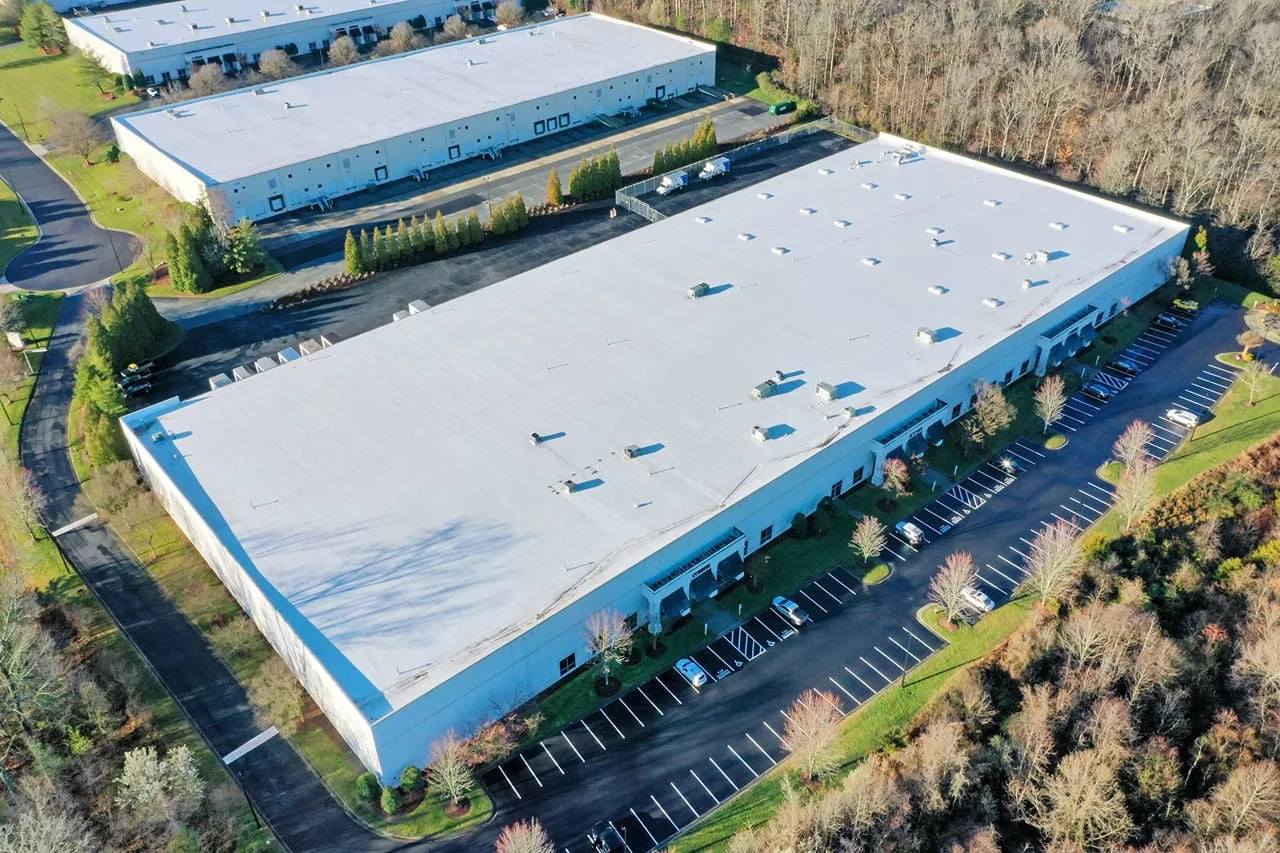
Eagle Hill Business Park is one of the smaller business parks within Piedmont Centre. It is also in the activated-site area of Foreign Trade Zone No. 230, where qualifying import and export activity may use specified customs procedures and duty deferrals. That context can make coordination with a property contact important, but it does not establish a roof's use, construction, or condition. We confirm the building and access authorization before beginning a roof inspection.
Commercial roof service may be needed for an active leak, worn flashing, blocked drainage, storm-related observation, or a scheduled capital review. We document the visible assembly and any limits, then define the work boundary. Repair, maintenance, recover, or replacement is recommended only when the inspected evidence supports that path. The written record gives the owner an actionable scope instead of a general statement about the business park.
Protect business continuity during roof work
When a property participates in trade or shipping operations, access and staging deserve attention before roofing materials arrive. The FTZ designation applies to qualifying activity and customs procedures; it does not tell us the operating schedule for a particular building. We coordinate with the owner or facility representative about deliveries, secure areas, employee routes, roof entry, and any hours when lifts or noisy work should not occur.
A marked work plan can show where the crew will open, secure, and close each roof zone. If the building remains occupied, define protected entrances, material routes, and temporary water control. The occupied-roof sequence should follow actual site rules rather than assuming that zone boundaries on a map equal construction phases.
Document visible conditions and limits
Before proposing work, we inspect field seams, drains, curbs, penetrations, edges, and visible repairs. We note which roof areas were reachable and whether equipment or access rules prevented observation. A photograph should be tied to a location on the roof plan, with the inspection date and direction of view. If the surface condition points to possible moisture beneath the membrane, we identify whether testing is appropriate before the owner approves a larger removal area.
A roof condition visit can capture measurements and a repair list; an infrared survey or core may be useful when visual evidence is inconclusive. We interpret those findings against the assembly information available. The report should separate confirmed wet materials from suspect areas and state what test result would resolve the uncertainty.
Tie emergency response to a follow-up
For active water entry, the first task is to control the exposure and locate the probable roof opening. We document the reported interior area, inspect likely paths above it, and set a boundary for temporary stabilization or repair. We can dispatch outside business hours, including on weekends and holidays, when water entry needs attention. After the immediate issue is contained, a scheduled return checks the repair and looks for related damage that could not be assessed during the initial response.
A permanent repair scope describes the existing material, preparation, replacement layers, tie-in detail, and verification method. If there are several separate defects, each receives a distinct location and recommended action. This helps a facility manager authorize urgent work without accidentally approving an unbounded roof replacement.
Use weather evidence without overstating it
NOAA normals at Greensboro airport report 7.1 inches of snowfall per year and 68.5 days with freezing minimums. The figures are regional station averages and do not describe what happened on a specific roof. They support regular attention to drains, scuppers, and low areas before winter weather, especially where safe access may be limited during freezing periods. We record what the inspection actually shows on that visit.
After wind or hail, a roof review should locate observable openings, displaced flashing, punctures, or interior effects and preserve photographs. A weather alert alone is not proof of damage. The hail damage review or wind assessment should distinguish direct observations from areas that need testing. A maintenance record can provide a baseline for later comparison.
Connect Eagle Hill to Piedmont Centre records
Eagle Hill is one of the smaller parks within Piedmont Centre. That relationship can help an owner organize property records, but it does not merge the roof scopes. We identify Eagle Hill's building separately, confirm its roof dimensions, and retain its maintenance history. A broader campus summary should link to the underlying property report rather than average its condition with nearby structures.
For service near Piedmont Centre, each address gets a separate map, photo set, and recommendation. An owner can also coordinate a Mendenhall visit during the same scheduling window when access is approved. A multi-site roof program can then report common priorities while preserving the specific evidence for each roof.
Evaluate system choices against the existing roof
When a roof reaches a capital review, first establish the layers, deck, attachment, moisture, drainage, edge height, and penetrations. A recover can be considered only if those conditions and applicable requirements support another layer. If the evidence points to replacement, scope removal, insulation, cover board, edge metal, drainage, rooftop equipment, and daily dry-in. Each alternative should show its assumptions and exclusions so bids can be compared fairly.
The surface membrane is only one part of the design. A EPDM assembly or PVC assembly must be matched to the actual deck, attachment criteria, details, and building use. If the service decision involves short-term repair rather than a full project, state that boundary separately and preserve any unresolved moisture or deck question for follow-up.
Hand off a roof file the next manager can use
At closeout, provide the roof-zone map, dated photographs, installed materials, seam or attachment checks, repair boundaries, and approved changes. Identify work excluded from the project and conditions that remain to be monitored. This record should be filed under the Eagle Hill property, even if the owner reports portfolio performance at the broader Piedmont Centre level.
The Foreign Trade Zone designation is relevant only to qualifying import or export activity and associated customs procedures. It does not describe any roof or say how a specific business uses its building. For roofing work, the owner should identify which areas must remain secure, when deliveries can enter, and whether access needs advance coordination. We record the actual restrictions with the roof plan and avoid treating the broader designation as a substitute for the property's operating instructions.
When a roof project affects active operations, we stage material lifts and temporary protection around the approved schedule. Daily reports can note completed area, open tie-ins, weather conditions, and any decision awaiting the owner. The closeout record should identify the system actually installed and include photos of drains, edges, penetrations, and repaired zones. This gives the next facilities contact a roof-specific file rather than an assumption based on the park's trade status.
For a service visit, we can begin with the building address, reported problem, and available drawings or prior reports. We will confirm authorized access and explain whether the next step is repair, testing, maintenance, or a capital scope. The goal is a clear, verifiable decision record for the actual roof.
Related Roofing Work
Storm and Roof Damage Repair
Storms that reach the Triad can lift edges, open seams and crack flashing. Start here:
- Wind Damage Roof Inspection and RepairInspect High Point commercial roofs after high winds, document edge and flashing conditions, stabilize exposure, and define measured repair limits.See repair options
- Hail Damage Roof Inspection and RepairAssess High Point commercial roofs after hail, document impact evidence, select focused testing, and define measured repairs without assuming causation.See repair options
- Tornado Damage Roof Assessment and RepairAssess High Point commercial roofs after tornado damage with released access, roof-zone mapping, temporary stabilization, and staged repair records.See repair options
Roof Assessment
Arrange a commercial roof visit in Eagle Hill Business Park
Schedule a High Point roof walk for Eagle Hill Business Park to document conditions, confirm access, and define a practical next step.
Questions About Eagle Hill Business Park
Does the FTZ designation describe roofing conditions?
No. It describes customs procedures available to qualifying activity in the designated area. We inspect each roof separately.
Can a roof report cover Eagle Hill and all Piedmont Centre properties?
A portfolio summary can connect records, but each property needs its own measurements, observations, and work limits.
What if an inspection cannot reach a roof area?
The report names the inaccessible location and describes the added access or testing needed before a decision.
Can emergency service be requested outside business hours?
Yes. A call can be placed overnight, on a weekend, or on a holiday; permanent work is scoped after the roof is inspected.
More questions? Ask our roofing team or call 555-555-5555.
Request a Roof Assessment in High Point
Send the address, the roof concern and when the roof can be reached. We walk the roof, photograph what we find and explain the repair or replacement options.
Roof Assessment
Commercial Roofing in High Point
Call, email or send the building details. We set a time to walk the roof and look at the leak, the drains and the flashing.