
Roof Systems
Commercial Built-Up Roofing in High Point, NC
Inspect commercial built-up roofing in High Point with ply, surfacing, flashing, drainage, and moisture findings mapped for repair planning.
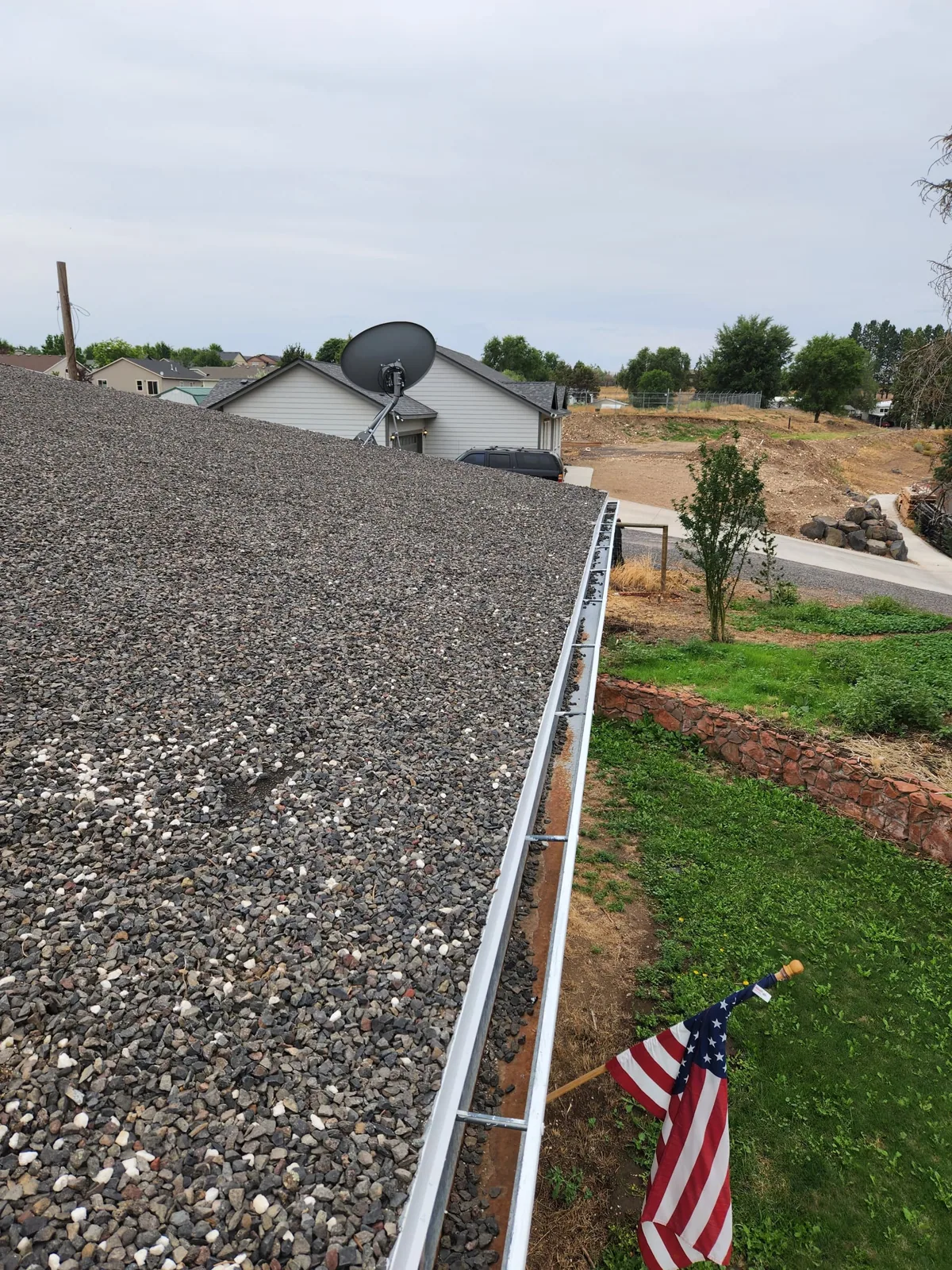
Loose gravel near a drain can conceal a split, blister, or area where water has slowed across a built-up roof. In High Point, NC, we inspect the surface and visible plies, check how flashing meets walls and penetrations, and record where surfacing has moved. The plan labels each observation by roof area and distinguishes a repairable surface condition from a concern that needs a test opening.
Built-up roofing uses multiple asphaltic plies with surfacing such as gravel or a cap sheet. The installed assembly varies by layer count, reinforcement, attachment, and past repairs. We identify what can be seen and review records or test cuts when concealed layers affect the decision. A repair estimate is based on those findings, not a presumed layer schedule.
Read the surfacing and visible plies
We check for displaced aggregate, exposed bitumen, cracks, blisters, ridges, open seams, and evidence of previous patches. Where cap sheet is used, we inspect laps and surface condition. Loose gravel may need clearing before a detail can be evaluated, but the visible top layer alone does not confirm what lies beneath. The report records any access or visibility limit.
Test cuts can confirm layer count, insulation condition, and deck type when that information will change the scope. Each opening receives a location, photo, dimensions, and restoration note. We avoid applying an unverified patch over a wet or unstable area. If the assembly contains prior coatings or multiple repairs, compatibility needs review before work begins.
The City identifies Southwest Mill District in an area plan adopted in March 2025 for redevelopment. A changing district may contain different building histories, yet its name provides no roof-age or assembly data. We inspect each property and build a separate layer record, especially where old and new work meet.
Check water movement at every low point
We inspect internal drains, scuppers, overflows, crickets, and low areas for blockage or retained water. Gravel can migrate toward an inlet and reduce its opening. A clogged strainer is not the only explanation for ponding; the roof plane or deck may hold water after the outlet is cleared. We record where water was observed and whether the owner knows how long it remained after rain.
A drain connection or flashing may fail at the same time as a field ply. We separate those details in the scope so the owner sees whether repair needs to address outlet, membrane, or underlying slope. A drain and scupper service can handle the outlet path, while membrane repair defines the ply or flashing work.
Nearby Greensboro (KGSO) NOAA records show 7.1 inches of normal annual snowfall and frequent freezing-minimum days. The station does not measure each High Point property, but the regional pattern makes winter drainage checks practical. We verify the actual outlet and roof condition before recommending a cold-weather repair or maintenance interval.
Match the repair to the layer
A localized split may be repaired by preparing the affected surface, installing compatible reinforcement or membrane, and sealing the tie-in according to the assembly. A wet blister, damaged insulation, or deteriorated deck requires another investigation. We identify whether gravel removal, cap sheet, reinforcement, or a separate flashing detail is in the measured quantity. The repair boundary stops at confirmed sound material.
Built-up roofing can be compared with modified bitumen, single-ply systems, or metal where project requirements permit. A modified-bitumen alternative uses a different layered membrane approach; a TPO assembly changes the seam and flashing details. The owner can compare removal depth, substrate preparation, access, and future maintenance using the same roof areas.
High Point Market’s North Elm neighborhood contains walkable designer-oriented showrooms, according to the Market Authority. That commercial place fact is useful for location planning; it does not establish whether a showroom building has built-up roofing. The site inspection supplies the assembly and condition evidence for the specific facility.
Plan removal, surfacing, and protection
Built-up work can involve debris removal and heavier surfacing than some membrane repairs. We confirm roof loading and staging requirements with project documents and the owner. Open areas are kept within the daily protection plan, and debris is controlled around drains, equipment, and pedestrian areas. Where hot asphalt or other heat-based methods are specified, fire protection and site rules are part of the pre-work plan.
Access, material movement, occupied operations, weather, and test openings influence the schedule. We identify delivery points, roof hatches, laydown zones, exhaust locations, and the path crews will use. A phased reroof schedule can protect work areas while the building remains in service. When a test cut changes the assembly assumptions, we photograph it, restore the opening, and request approval before changing quantities.
The City business map names Model Farm Development as a High Point growth area. That planned geography is not a statement about current building stock or roof systems. If work is near this development, we confirm actual site access and construction activity directly instead of relying on the map for current conditions.
Preserve the layer history
Closeout photographs show repaired plies, flashing corners, drains, transitions, and the restored surface. The report includes measured area, material description, test-cut locations, and any concealed condition that remained unresolved. A future inspector can compare the same roof section and see where layers were opened or repaired.
Cost reflects surfacing, ply count, repair area, tear-off, disposal, deck or insulation work, access, and fire-safety measures. Timing depends on application method, weather, material delivery, building activity, and any inspection hold point. We state those assumptions before mobilization and list each area separately so a property manager can prioritize the work.
Arrange an inspection when gravel moves, recurring leaks appear, or a built-up system is due for capital review. We map surface and flashing conditions, recommend testing if layers are uncertain, and provide a scoped repair or replacement option. A dated record keeps the work useful for future maintenance and budget decisions.
When a built-up roof has multiple plies or surfacing, note how the observed layers vary across the building and where repairs have added material. Check drains, flashings, edges, and transitions for discontinuities before selecting a repair. If moisture may be trapped below the surface, define test locations instead of assuming the entire roof shares one condition. For removal, specify how debris is contained and how exposed areas are dried in. The record should show which layers were retained or removed so later work does not rely on a vague roof-type label.
On a phased tear-off, specify how each section ends at a watertight edge and how removed material is protected during transport. Where the existing roof has repeated repairs, mark their locations before surfacing is removed so the record can explain earlier leak history.
Related Roofing Work
Storm and Roof Damage Repair
Storms that reach the Triad can lift edges, open seams and crack flashing. Start here:
- Wind Damage Roof Inspection and RepairInspect High Point commercial roofs after high winds, document edge and flashing conditions, stabilize exposure, and define measured repair limits.See repair options
- Hail Damage Roof Inspection and RepairAssess High Point commercial roofs after hail, document impact evidence, select focused testing, and define measured repairs without assuming causation.See repair options
- Tornado Damage Roof Assessment and RepairAssess High Point commercial roofs after tornado damage with released access, roof-zone mapping, temporary stabilization, and staged repair records.See repair options
Roof Assessment
Inspect the built-up layers
Arrange a High Point roof walk for surfacing, ply, drain, and flashing findings with a measured scope.
Questions About Built-Up Roofing
How do you know how many roof plies are present?
We review available records and inspect accessible edges. When layer count changes the decision, a selective test cut can confirm it and is documented by location.
Can loose gravel be added back after a repair?
The repair method depends on the existing surfacing and material compatibility. We state whether aggregate, cap sheet, or another finish is included.
Will clearing the drain fix ponding on a built-up roof?
It may help if debris is blocking flow. If water remains after the outlet is clear, we measure the area and examine slope or deck conditions.
Can built-up roofing be recovered?
Only when the existing layers, moisture condition, attachment, deck, code limits, and new assembly support it. We document those factors before comparing a recover.
More questions? Ask our roofing team or call 555-555-5555.
Request a Roof Assessment in High Point
Send the address, the roof concern and when the roof can be reached. We walk the roof, photograph what we find and explain the repair or replacement options.
Roof Assessment
Commercial Roofing in High Point
Call, email or send the building details. We set a time to walk the roof and look at the leak, the drains and the flashing.