
Property Types We Roof
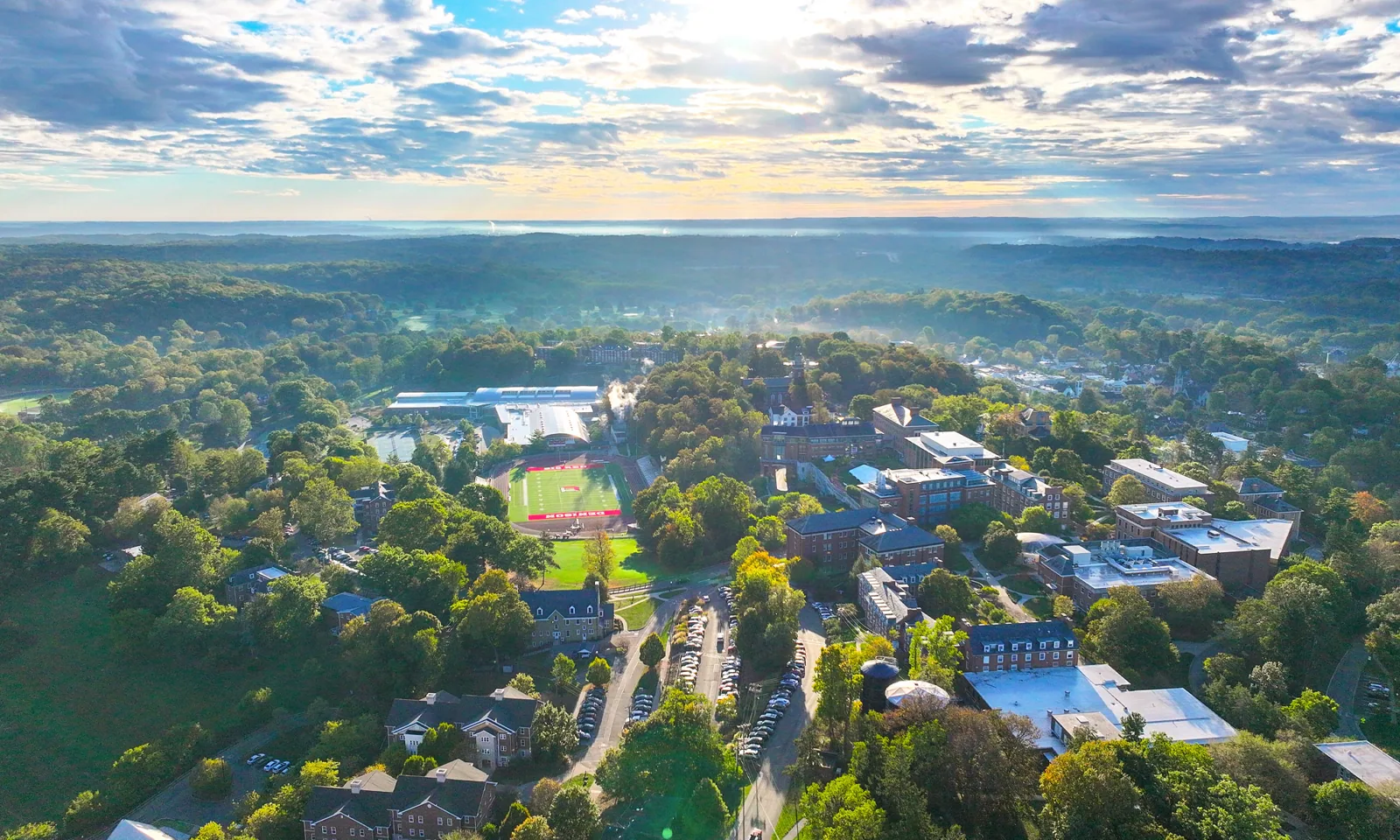
College and University Roofing in High Point, NC
Coordinate college roof repairs in High Point around residence halls, classrooms, research spaces, event calendars, equipment, and approved access.
A campus roof repair crosses more than one building schedule. We document the roof area, rooms or functions below, access route, and any service that must remain active. The work plan separates a residence hall, classroom, lab, athletic facility, and event building when their use or access differs. Each roof condition is tied to its own record and next action.
High Point University is among the city’s largest employers in the 2023 High Point economic-development report. The same city report tracks a broader mix of manufacturing, healthcare, distribution, office, and education activity in High Point. These market facts help describe the local operating environment; they do not establish any campus building’s roof assembly. We inspect the actual structure and confirm its calendar and access requirements with facilities staff.
Coordinate work across campus zones
Campus staff identify academic terms, move-in and move-out dates, exams, commencement, sports, conferences, and summer programs that affect access. We map roof work by building and loading point, then confirm which paths remain open to students, visitors, and service vehicles. A low-noise repair near a classroom may fit a different work period than material removal over an event venue.
Each planned area has a roof boundary, staging plan, temporary cover, and daily closeout check. We confirm whether a lift can reach the loading side, if a roof hatch needs escort, and which building contact receives a weather update. A phased campus work sequence can keep isolated sections moving while other buildings remain in use. Emergency protection is recorded separately from long-term renewal.
Work that spans several structures can be staged as separate mobilizations instead of opening roofs at once. We identify the crew’s daily roof boundary, the faculty or event contact, and the point at which a building is returned to normal access. That makes a summer program or short break useful only where the site and weather schedule actually support it.
Campus buildings may be managed by different departments or outside vendors. We note who authorizes access, who can shut down equipment, and who signs off on work-zone release. A responsibility map avoids treating a university-wide approval as permission for every roof or room.
Inspect penetrations and shared utilities
University roofs can carry air-handling units, lab exhaust, kitchen vents, antennas, lightning protection, solar equipment, and utility runs. We inspect curbs, supports, conduit entries, seams, and surrounding membrane for movement or failed flashing. If an equipment technician must disconnect or isolate a system, the scope identifies that dependency so roofing work does not assume control of another trade.
Water can move beneath a membrane before it reaches an interior ceiling. We record where it appeared, when staff observed it, and which drains, low points, expansion joints, or penetrations lie along the roof path. A curb and support inspection maps equipment transitions; a drain review checks outlet and overflow conditions. The report states whether the source is confirmed or still needs a test opening.
Where a campus portfolio includes a K-12 facility or clinical building, the roof histories remain distinct. Similar-looking buildings can have different layers, access controls, and interior impacts.
Plan for Piedmont weather windows
High Point’s seasonal temperatures and precipitation affect access, dry-in, and product installation. Nearby Greensboro (KGSO) NOAA normals report an annual average snowfall of 7.1 inches and 68.5 days with freezing minimums. Those are regional station records, not campus roof measurements. We plan the work window around actual surface conditions and product requirements, then inspect drains, transitions, and exposed insulation onsite.
The National Weather Service documented a tornado near High Point during a March 2021 severe-weather event. That event record does not indicate damage at a university property. Following a current weather report, the roof inspection checks membrane, metal edges, equipment attachment, and interior signs at the building being evaluated. Dated photographs support a comparison with the campus baseline.
For materials and crew access, the City maps Piedmont Centre within a commercial network that includes I-40, US 421, NC 68, and NC 66. That is regional business-park context, not a campus route. We verify the university’s approved delivery entrance, staging zone, and service-road limits before a load is dispatched.
Compare localized repairs with portfolio work
A local patch is appropriate when the defect is bounded and surrounding layers remain sound. We identify preparation, compatible material, seam or flashing treatment, and final inspection. If leak reports recur at separate wings or moisture appears across a broad area, we map each finding before recommending a campus-wide project.
Recovery is considered only after moisture, attachment, deck capacity, drainage, edge height, code, and manufacturer requirements are checked. A new assembly must also fit rooftop equipment, penetrations, and existing transitions. A TPO system or standing-seam roof can be compared when the design allows; the recommendation follows measured conditions rather than product preference.
Cost and duration depend on the roof area, number of buildings, access, existing layers, penetrations, test openings, material lead time, and campus calendar. The proposal separates each facility and shows what is confirmed, conditional, or deferred. Facilities can then compare a phased repair program with capital renewal on a consistent basis.
Maintain a building-specific roof baseline
The closeout record can include dated photographs, a marked roof plan, repaired details, materials, test results, and open follow-up items. Building names and roof zones are carried forward so future staff can compare observations even if a property manager changes. If an area could not be inspected because of access limits, the report states what remains to be checked.
For a university portfolio, a roof asset register can support lifecycle planning by building and zone. It does not replace a field inspection. Each annual review updates condition, repair history, and the next decision date while preserving separate records for residence, classroom, lab, and support facilities.
Arrange a roof walk when a campus building reports water, a capital cycle needs verified quantities, or an equipment change affects roof penetrations. We coordinate access with facilities, measure the repair boundary, and provide a documented work sequence matched to the campus calendar.
A campus may have academic, residential, athletic, and administrative buildings with separate contacts and roof histories. Identify the building and department in scope, confirm access procedures, and avoid treating one inspection as a campus-wide review. Schedule work around class or event calendars only after the facilities contact verifies those dates. For a multi-building program, use consistent condition labels while retaining distinct roof maps and quantities. That gives campus planners a portfolio view without losing the evidence needed to approve a particular repair or renewal.
Before finalizing a campus scope, identify which department will retain the roof documents and who can authorize follow-up testing. A project may span summer work and term-time access; confirm the actual calendar rather than relying on customary breaks. Record any deferred roof section so the next facilities review does not interpret a partial survey as complete.
Related Roofing Work
Storm and Roof Damage Repair
Storms that reach the Triad can lift edges, open seams and crack flashing. Start here:
- Wind Damage Roof Inspection and RepairInspect High Point commercial roofs after high winds, document edge and flashing conditions, stabilize exposure, and define measured repair limits.See repair options
- Hail Damage Roof Inspection and RepairAssess High Point commercial roofs after hail, document impact evidence, select focused testing, and define measured repairs without assuming causation.See repair options
- Tornado Damage Roof Assessment and RepairAssess High Point commercial roofs after tornado damage with released access, roof-zone mapping, temporary stabilization, and staged repair records.See repair options
Roof Assessment
Build a campus roof work plan
Arrange a High Point campus roof walk for building-level photographs, measured findings, and a schedule coordinated with facilities.
Questions About College and University Roofing
Can roof replacement fit between academic terms?
Often, if access, material supply, and weather align with the approved window. We map each building, define daily dry-in, and identify work that could continue during occupied periods.
How do you handle separate campus buildings with different roof histories?
We keep a plan and condition record for each structure, including roof layers, repairs, equipment, and access limits. A campus address does not mean all roofs match.
What if an HVAC unit must stay online?
Facilities staff set shutdown limits. We define roofing work around the active system and coordinate a mechanical trade when equipment service is required.
How is storm damage documented for the university?
We date photographs, mark each roof zone, and separate new observed damage from older maintenance conditions. The record notes access limits and any test still needed.
More questions? Ask our roofing team or call 555-555-5555.
Request a Roof Assessment in High Point
Send the address, the roof concern and when the roof can be reached. We walk the roof, photograph what we find and explain the repair or replacement options.
Roof Assessment
Commercial Roofing in High Point
Call, email or send the building details. We set a time to walk the roof and look at the leak, the drains and the flashing.