
Roof Systems
Commercial Spray Polyurethane Foam Roofing in High Point, NC
Evaluate commercial spray polyurethane foam roofing in High Point with substrate tests, drainage, coating protection, and measured repair boundaries.
A worn coating over spray foam is a maintenance condition to measure, not a reason to spray another layer immediately. In High Point, NC, we inspect the protective surface, foam continuity where visible, drains, edge terminations, and prior repairs. The record marks areas with cracking, exposed foam, ponding, or separation. We confirm whether the surface can be cleaned, repaired, and recoated before proposing restoration.
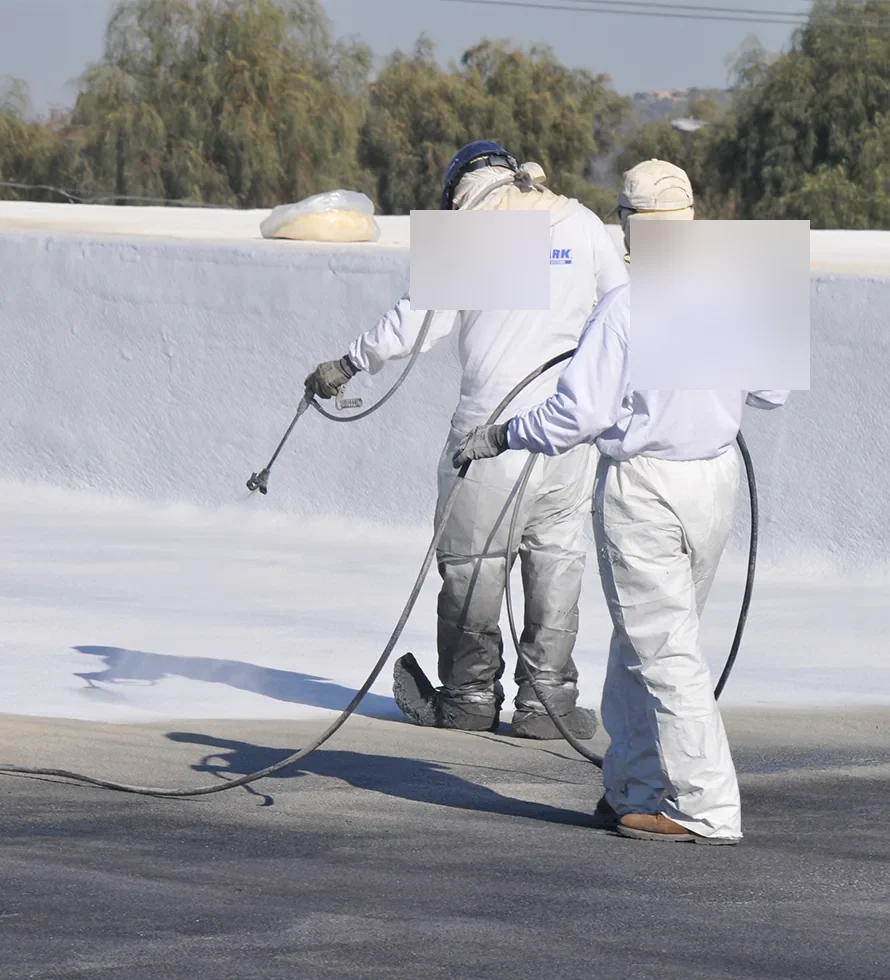
Spray polyurethane foam roofing is formed in place and protected by a coating or surfacing. The foam can create a continuous layer, but water resistance depends on the protective surface and properly detailed transitions. We inspect the complete assembly, note where foam has become exposed, and identify any moisture or substrate question that needs testing.
Inspect foam, coating, and transitions
We check the protective coating for erosion, cracks, blisters, punctures, and loss of adhesion. At the foam, we look for exposed cells, physical damage, soft or wet areas, and changes in slope. Penetrations, parapets, equipment curbs, and perimeters need continuous coating and flashing details. We photograph representative areas and use a roof map so each repair quantity can be traced back to a location.
A surface review cannot confirm every concealed condition. If moisture, delamination, or insulation damage could change the restoration decision, we recommend testing or a selective opening. We explain what the test can establish and how its result affects the work. A moisture survey may help prioritize candidate areas, but interpretation must include the assembly and visual findings.
A City report names Home Meridian International’s headquarters, Samson Marketing’s headquarters and distribution center, and MedCenter of High Point among Premier Center facilities. Those business details orient a site visit but do not establish any building’s roof type or coating condition. We inspect each facility and identify its existing system before recommending foam restoration.
Correct water retention before recoating
Foam can be shaped to direct water, but a low spot, blocked drain, damaged scupper, or deck deflection may still leave standing water. We record the location and apparent boundary of ponding and note when it was observed relative to rainfall. A coating application should not cover a drainage defect without addressing the cause. Where slope or structure is uncertain, we state what measurement would resolve the question.
Drains, scuppers, overflow paths, and discharge points are inspected with their surrounding foam and coating transitions. A drainage correction scope can separate outlet work from foam restoration. At a curb or pipe, we check the contour, coating reinforcement, and connection to the vertical surface. A curb inspection can identify work that belongs to a mechanical contractor before the roof detail is rebuilt.
The City calls Eagle Hill Business Park one of the smaller parks within Piedmont Centre. This place relationship can help a manager distinguish one site record from a neighboring facility, but it says nothing about the roof assembly. Every foam area is measured and assigned its own condition and repair status.
Renew the protective surface selectively
Recoating is considered after the substrate is cleaned, loose material removed, and exposed or damaged foam repaired. Adhesion and compatibility tests help confirm the new product can bond to the existing surface. We identify the coating family, primer, reinforcing fabric at details, target application, and exclusions. If water has entered the foam or the system has extensive delamination, replacement of affected areas may be required before a topcoat is applied.
Silicone and acrylic coatings have different performance characteristics and limits. We select among them according to ponding, slope, existing material, exposure, and maintenance expectations. A silicone coating system or acrylic coating option needs a qualified substrate and prepared details. A product is not chosen from color or reflectance alone.
High Point’s regional temperature record comes from nearby Greensboro (KGSO), where NOAA reports warm-season heat and repeated freezing nights. These are station normals, not roof-surface readings. They support planning seasonal checks and application windows, while the coating manufacturer’s requirements and actual site conditions govern when work can proceed.
Control overspray and occupied operations
Spray work requires protection for air intakes, vehicles, adjacent property, equipment, pedestrian routes, and surfaces not included in the scope. We establish a work boundary, check wind and weather, and pause when conditions threaten containment or adhesion. The site plan identifies the staging area and any temporary restrictions. Where an area cannot be protected adequately, the method or schedule changes before application begins.
For an occupied building, we coordinate with the facility contact about ventilation, noise, access, deliveries, and areas below the roof. High Point’s business parks include office, industrial, and distribution activity, but each site schedule is different. A phased building plan can sequence roof zones and identify who receives notices. Work logs record which areas were coated and which remain for a later phase. We note wind direction, covered surfaces, and the time when ventilation or access restrictions can be lifted.
Cost depends on cleaning, repairs, substrate tests, coating quantity, reinforcement, access, protection, and the number of roof sections. Timing depends on preparation, weather, cure requirements, and owner access windows. We show these scope drivers separately from any concealed foam repairs so the owner can review the basis before material application.
Keep a coating baseline by roof area
Completion photos should show repaired foam, representative coating coverage, penetrations, drain transitions, edges, and any area excluded from the work. The closeout record lists preparation, product family, measured area, and follow-up conditions. Later inspections can compare the same details and identify coating wear before foam becomes exposed.
Maintenance includes keeping outlets clear, repairing cuts promptly, checking terminations, and revisiting areas where ponding or foot traffic occurs. The coating is part of a roof assembly that still needs inspection. A maintenance program can schedule those checks and attach dated photos to each mapped roof area.
Arrange an assessment when foam is exposed, the coating cracks, or moisture appears inside. We document the surface, test where needed, address water paths, and compare selective restoration with removal or replacement. The proposal identifies what is known and what further investigation would change.
SPF work requires a plan for substrate preparation, lift thickness, surface profile, drainage, and protective coating. Confirm how overspray will be controlled around vehicles, intakes, walkways, and occupied areas. Temperature and moisture conditions should meet the product requirements during application. On an existing foam roof, inspect coating wear and any exposed foam, then identify whether localized preparation or broader restoration is supported. Record application zones and coating protection so later inspectors know where the foam system transitions to other materials.
The closeout should show where new foam meets existing substrate and identify any profile correction that affects drainage. Record protected areas and overspray controls so site staff know what was included.
Related Roofing Work
Storm and Roof Damage Repair
Storms that reach the Triad can lift edges, open seams and crack flashing. Start here:
- Wind Damage Roof Inspection and RepairInspect High Point commercial roofs after high winds, document edge and flashing conditions, stabilize exposure, and define measured repair limits.See repair options
- Hail Damage Roof Inspection and RepairAssess High Point commercial roofs after hail, document impact evidence, select focused testing, and define measured repairs without assuming causation.See repair options
- Tornado Damage Roof Assessment and RepairAssess High Point commercial roofs after tornado damage with released access, roof-zone mapping, temporary stabilization, and staged repair records.See repair options
Roof Assessment
Assess the foam and surface together
Arrange a High Point roof walk for coating tests, moisture review, and a measured restoration plan.
Questions About Spray Polyurethane Foam Roofing
Can a new coating go over existing spray foam?
Only after inspection, cleaning, compatibility testing, moisture review, and repair of damaged foam support the application. We record the areas that qualify and the exclusions.
Does foam roofing eliminate ponding?
The system may be sloped to move water, but blocked drains, low spots, or deck conditions can still retain water. We measure and scope drainage issues separately.
Can you apply the coating while the building is open?
We plan protection around air intakes, occupied areas, vehicles, access, wind, and site rules. The facility contact approves the work zone and any temporary restriction.
What is included in the coating closeout?
The record can include measured area, preparation and material notes, detail photographs, repairs, excluded zones, and follow-up recommendations.
More questions? Ask our roofing team or call 555-555-5555.
Request a Roof Assessment in High Point
Send the address, the roof concern and when the roof can be reached. We walk the roof, photograph what we find and explain the repair or replacement options.
Roof Assessment
Commercial Roofing in High Point
Call, email or send the building details. We set a time to walk the roof and look at the leak, the drains and the flashing.