Roof Systems
Commercial Acrylic Roof Coatings in High Point, NC
Assess commercial acrylic roof coatings in High Point with slope, substrate, adhesion, repairs, and recoat requirements tied to measured areas.
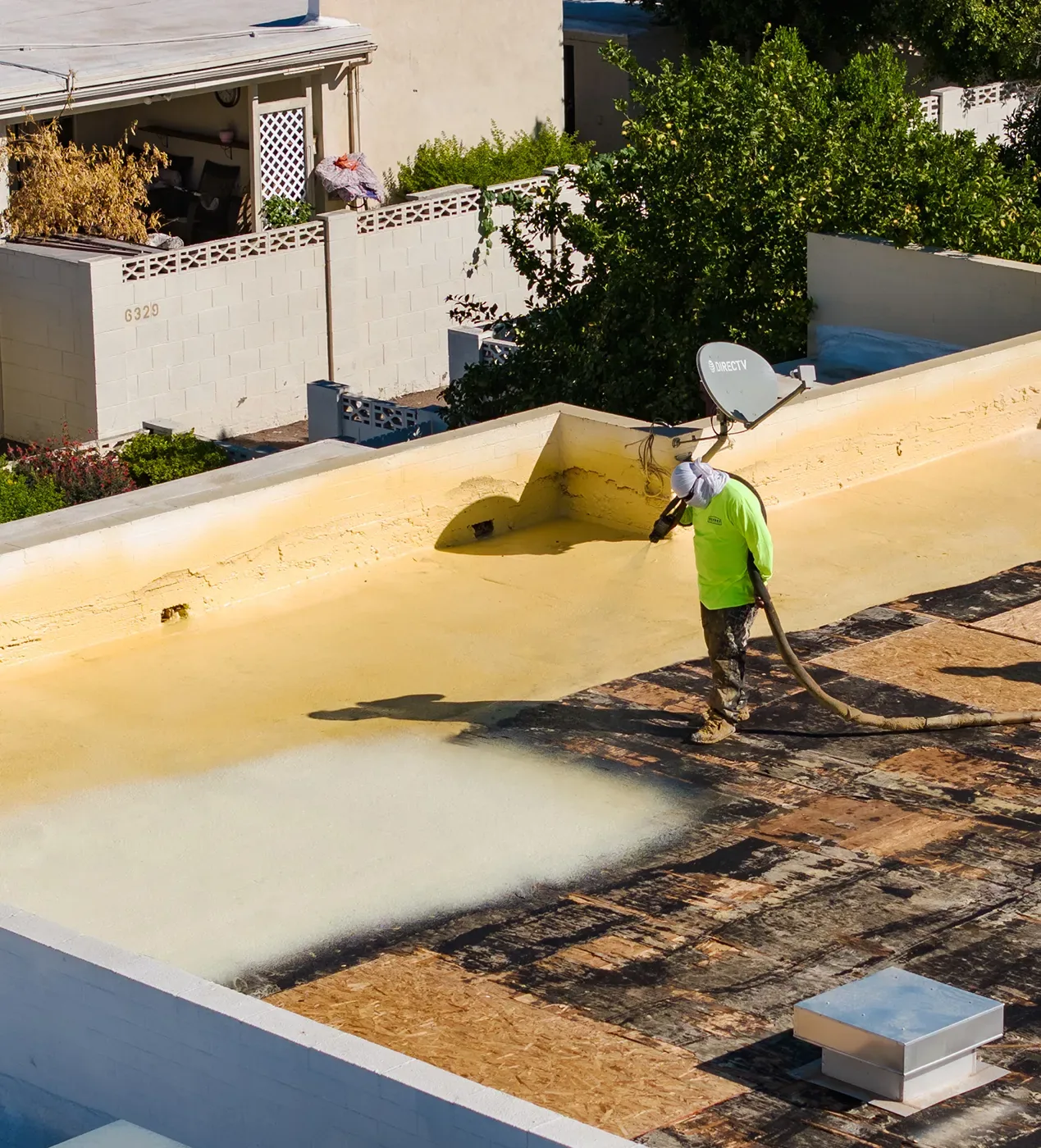
An acrylic coating is considered after the existing roof surface passes inspection and preparation tests. In High Point, NC, we map the membrane or metal, locate leaks and ponding, test representative areas, and identify repairs before naming a coating option. The report separates candidate surfaces from failed or wet sections. A reflective top layer cannot replace membrane repair, drain correction, or removal of a damaged substrate.
Acrylic is a water-based roof coating used in certain assemblies as a protective surface. Its fit depends on the product instructions, substrate, slope, ponding behavior, preparation, reinforcement, and maintenance plan. We document what product family is proposed and what limitations apply to the roof area being considered.
Kivett Drive Industrial Park is a mapped High Point commercial area. That context helps route a service request; each building still needs its own surface, drainage, and adhesion assessment before acrylic restoration is considered.
Confirm adhesion and surface readiness
We identify the installed membrane, metal finish, prior coating layers, and repair materials. Loose coating, chalk, dirt, oil, trapped moisture, or an incompatible patch can prevent reliable bonding. Test patches show how the prepared surface responds to the selected system. If testing fails, we revise the preparation or recommend a different assembly rather than coating over a questionable surface.
Water entry is repaired before application. We inspect seams, penetrations, flashings, edges, curbs, and drains, then mark the repair boundary. Where moisture may extend below the visible layer, a moisture survey can help select test locations. The findings are compared with interior reports and assembly details before any material is removed. A coating cannot bridge an unverified wet area.
Before expanding a coating area, test representative locations that include both the open field and repaired details. If results vary, divide the roof into separate conditions and state which preparation or primer applies to each. A passing test in one section does not establish adhesion across a different membrane, metal finish, or older coating.
Check water retention and application limits
Acrylic coatings are generally selected for roofs with drainage that fits the product’s limitations. We record ponding locations and how long water remains when the owner can provide a useful observation. If an outlet is obstructed, we scope clearing or repair. If water sits because of slope or deck deflection, the coating plan should not hide the underlying issue. Measurements help determine whether a roof change is needed before restoration.
Application depends on a dry substrate and suitable ambient conditions. The selected product sets the temperature and moisture window through cure. In a humid or cool period, that window can narrow. The work sequence accounts for the forecast, drying time, protected edges, and a safe stopping point if rain approaches. At each shift, verify that the prepared area remains clean and dry before coating resumes.
The Russell & Green neighborhood includes showrooms ranging from value-priced importers to luxury design lines. This commercial mix means work schedules should follow the actual business activity and building access at the property.
Choose between acrylic and other coatings
Acrylic and silicone have different limits, especially where water remains on the roof. We compare slope, exposure, existing coating, substrate, and maintenance expectations against product data. A silicone coating comparison may be useful where standing water is a concern, while foam restoration calls for a distinct substrate assessment. None of these systems is selected solely for reflectance or color.
Reinforcement may be required at seams, penetrations, drains, and repaired areas. We map where fabric or additional material is proposed and state how field thickness will be measured. The scope also identifies areas where coatings are excluded, including incompatible surfaces or details that need separate repair. If metal panels move or seams are open, we address that condition before applying a surface layer.
For a full replacement decision, a membrane such as TPO changes the roof assembly rather than adding a topcoat. We compare the alternatives by measured roof zone, removal assumptions, access, drainage, and detail work. This lets the owner see when restoration fits and when a new assembly needs further review.
Protect the work zone
Before application, we shield walls, air intakes, equipment, vehicles, drains, and pedestrian routes from overspray or spills. The crew prepares the surface, completes accepted repairs, and applies the product in zones that can be protected through cure. Wind or rain can interrupt work; we document the stopping boundary and return conditions before proceeding. If moisture appears beneath a prepared section, coating pauses while the owner reviews the finding.
At metal roofs, the coating plan must account for seam movement, fasteners, corrosion treatment, and the panel finish. We document a test location on each distinct surface and avoid assuming an adhesion result transfers to a different building or repair material. If the owner requests a color change, that choice is reviewed after product compatibility and film requirements are settled.
Enterprise Industrial Park is near Habersham Road, Kivett Drive, and I-74. These roads help orient a project team to eastern High Point; the property entrance, staging area, and access limits are confirmed onsite.
Cost follows cleaning, repair quantity, adhesion testing, product volume, reinforcement, access, masking, and the number of work phases. Schedule follows procurement, preparation, weather windows, cure, and facility hours. An occupied-site sequence can set work windows and notice responsibilities. The proposal keeps these assumptions visible before mobilization.
Document the film and future checks
Closeout includes the product family, preparation notes, measured areas, repaired details, photos, and the application record required by the project. We mark excluded areas and note any surface that still needs testing. If thickness measurements are taken, their locations are identified on the roof map so future checks can use comparable points.
Maintenance should inspect the film, seams, drains, flashing, and high-traffic paths. Cuts and surface wear can expose the layer below. We record changes by roof zone and compare them with baseline images. A maintenance visit can track drain clearing and repairs without assuming that a coating removes future service needs.
Arrange a roof walk when an acrylic coating is under consideration or an existing layer is peeling. We test adhesion, map moisture and drainage, identify repairs, and present a measured scope. If the surface fails testing, the report states what removal or alternate system would be needed.
Before recommending an acrylic restoration, document the existing surface, repair history, ponding exposure, and any areas where the coating has lost adhesion. Specify cleaning, repair of seams and penetrations, primer, reinforcement, application rate, and conditions for curing. A test area can help verify compatibility when records are incomplete. The closeout should retain product batch data, weather conditions, measured coverage, and the locations of repairs. Future inspection can then distinguish the coating system from the substrate below and identify maintenance needs before widespread failure.
Related Roofing Work
Storm and Roof Damage Repair
Storms that reach the Triad can lift edges, open seams and crack flashing. Start here:
- Wind Damage Roof Inspection and RepairInspect High Point commercial roofs after high winds, document edge and flashing conditions, stabilize exposure, and define measured repair limits.See repair options
- Hail Damage Roof Inspection and RepairAssess High Point commercial roofs after hail, document impact evidence, select focused testing, and define measured repairs without assuming causation.See repair options
- Tornado Damage Roof Assessment and RepairAssess High Point commercial roofs after tornado damage with released access, roof-zone mapping, temporary stabilization, and staged repair records.See repair options
Roof Assessment
Test the acrylic coating option
Arrange a High Point roof walk for adhesion checks, water-path mapping, and a measured restoration scope.
Questions About Acrylic Roof Coatings
Can acrylic coating be used where water stands?
Product limits vary. We document the slope and ponding behavior, then compare them with product data before specifying acrylic.
How do you prepare a roof for acrylic coating?
We identify the surface, clean and prepare as specified, repair active defects, and use representative adhesion tests to confirm suitability.
What if the existing coating peels?
We map loose areas and test the remaining surface. Failed sections need removal or repair before another coating can be applied.
How long does an acrylic coating take to cure?
Cure time depends on product, application thickness, temperature, moisture, and weather. The work plan follows the selected system requirements and current conditions.
More questions? Ask our roofing team or call 555-555-5555.
Request a Roof Assessment in High Point
Send the address, the roof concern and when the roof can be reached. We walk the roof, photograph what we find and explain the repair or replacement options.
Roof Assessment
Commercial Roofing in High Point
Call, email or send the building details. We set a time to walk the roof and look at the leak, the drains and the flashing.