
Service Areas
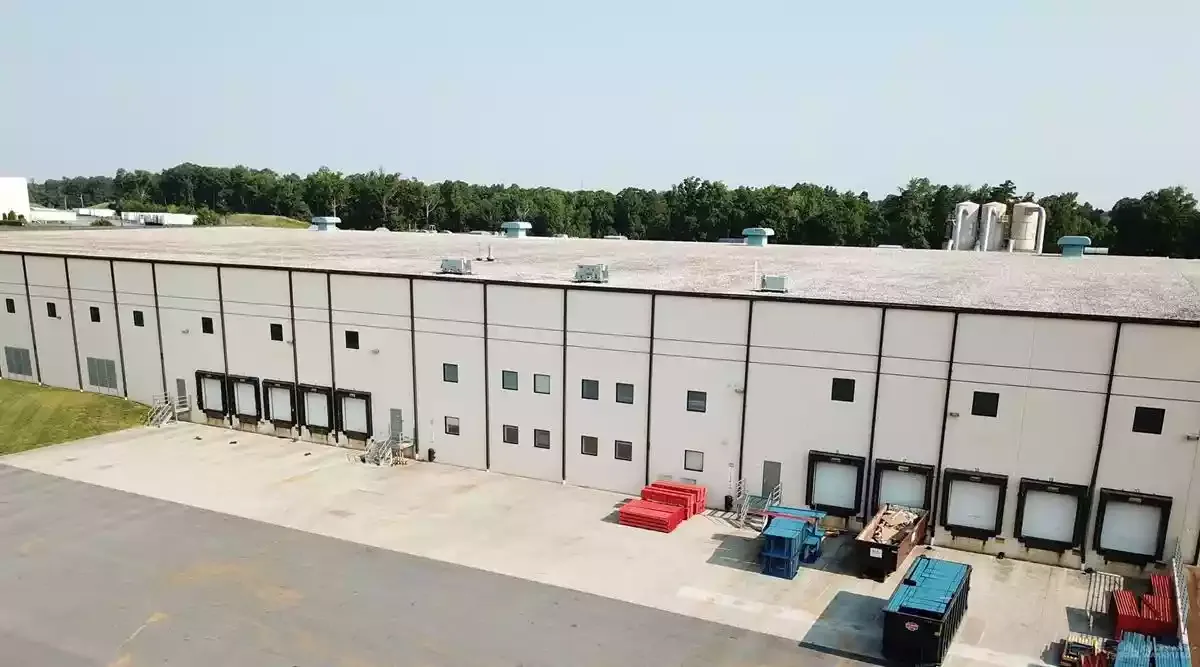
Commercial Roofing in Kivett Drive Industrial Park, High Point, NC
Commercial roofing in Kivett Drive Industrial Park, High Point, with leak response, roof inspections, maintenance, and replacement planning.
Kivett Drive Industrial Park is named on the City of High Point business-park map. The City also includes it in Foreign Trade Zone No. 230, which serves qualifying companies importing components or exporting finished products. Those designations give the area a commercial and industrial identity; they do not identify a property's roof, tenant, or operating schedule. We confirm the building, the authorized contact, and roof access before inspecting or planning work.
Industrial roofing requires clear boundaries. A leak may affect stored goods or work areas, while replacement can affect deliveries, lifts, and daily operations. We document the roof's visible assembly, drainage, edges, penetrations, and repair history before proposing a patch, maintenance visit, recover, or replacement. The owner receives a condition record that separates observed facts from access or testing limits.
Verify the property and operating rules
A park designation is not an access instruction. Before arriving, confirm which building is included, where a vehicle may stage, whether roof entry is controlled, and which areas must remain available for staff or shipments. The property contact should identify operating windows and any security procedure. We reflect those details in a site-specific plan instead of assuming they apply uniformly across Kivett Drive Industrial Park.
Foreign Trade Zone No. 230 includes Kivett Drive Industrial Park. That designation does not set roof scope; inspect the building, confirm access, and document the installed assembly before recommending work.
Industrial buildings may have separate receiving doors, yard traffic, production shifts, and roof access controls. Confirm the route for a lift or material delivery with the site's operations contact, and identify any loading or emergency lane that must stay open. If the roof serves more than one tenant area, mark the affected section and the shutdown authority before disconnecting equipment or opening a detail.
Record the membrane and water path
A roof inspection begins with observable details: seams, transitions, penetrations, drains, scuppers, edges, and previous repairs. We compare interior leak reports with likely paths on the roof and mark them on a plan. When the source is uncertain, the report says so and identifies whether moisture testing, a roof core, or added access is needed. This protects the owner from treating an unconfirmed location as a final repair quantity.
A commercial roof inspection can establish a baseline even before failure becomes active. We photograph the condition, note measurements where available, and separate urgent items from maintenance recommendations. If the assembly is unknown, we record the documents or field checks needed to identify it.
Stabilize urgent water entry
When water is entering, emergency service is available at any time of day, including weekends and holidays. We locate the likely breach, assess interior exposure, and identify a temporary or permanent repair that can be completed safely under current conditions. The first visit records what was done and what still requires follow-up. A later inspection can confirm the repair after the roof dries or access improves.
A permanent repair needs a defined boundary, compatible materials, and a tie-in to stable roofing. If several leaks appear, each location gets its own observation and recommended action. That lets the owner authorize immediate control without expanding the repair into a replacement contract by implication.
Plan winter checks from station normals
NOAA normals at Greensboro (KGSO) include 7.1 inches of annual snowfall and 68.5 days with freezing minimum temperatures. Use the regional pattern to plan seasonal inspections, then record current roof and access conditions at the Kivett property.
After storms, we inspect visible perimeter metal, flashings, punctures, and any reported interior entry. Weather history can help frame timing, but the scope follows what the roof shows. A wind-damage inspection or hail review identifies specific findings and photos. The owner can then distinguish storm repair from conditions already on the maintenance list.
Coordinate neighboring industrial service
Enterprise Industrial Park and Scannell Industrial Development are separate High Point commercial areas. Enterprise lies near Habersham Road, Kivett Drive, and I-74; Scannell is near Pegg Road and Gallimore Dairy Road. Confirm the specific property address and approved access for each visit.
A separate Enterprise inspection can be scheduled alongside Kivett Drive when access is approved, and a Scannell roof visit can be coordinated independently. The maintenance records should show which building was actually inspected. A roof asset register can maintain a portfolio calendar without merging separate systems.
Review recover and replacement conditions
A recover may be possible only when the existing layers, attachment, moisture, deck capacity, drainage, code requirements, and edge heights support added material. If one of these conditions is unknown, we identify the test needed before pricing the work as ready. Replacement scope should include removal, disposal, insulation, cover board, perimeter metal, equipment coordination, temporary protection, and daily dry-in.
Use a common scope matrix when comparing bids. A recover assessment and a replacement proposal must disclose quantities, assumptions, exclusions, and unit prices for concealed conditions. A maintenance program can bridge the time before capital work by tracking active repairs and follow-up observations.
Carry the roof history forward
The owner should receive a marked plan, dated photos, material details, repair limits, testing, approvals, and open conditions at closeout. File each item under the exact building identifier. If a later trade installs equipment or creates a new penetration, record that work so the next inspection can distinguish the change from the original assembly.
Foreign-trade-zone qualification can shape a tenant’s customs procedures. For roofing logistics, use the property contact’s actual delivery, security, and access instructions rather than assuming every business follows the same process. Before a lift, identify the load path, the area that must remain clear, and how debris will be contained. Keep that logistics plan separate from technical acceptance of the roof substrate. A crew can meet a delivery schedule only after the deck and weather conditions support installation. If access changes during work, update the daily plan and document any area left open or deferred rather than assuming the original route still applies.
Keep the next inspection date visible to the facilities contact and asset manager.
A useful closeout record states what was installed in each zone, which details were tested, and which future maintenance actions the owner accepted. For a repair, include before-and-after images with a location label. For replacement, save approved submittals, daily logs, close-in checks, and final drawings. If an owner later changes a tenant or delivery routine, that event belongs in the building's operations file, while the roofing file preserves the assembly and repair history. Clear separation helps the next manager make a decision from evidence instead of from assumptions about the site's industrial or trade designation.
For Kivett Drive Industrial Park, we can inspect a leak, establish preventive maintenance, or prepare a capital scope. We confirm the service area and site rules first. The recommendation should state what was observed, what remains uncertain, and what decision will move the property toward a documented repair or replacement.
Related Roofing Work
Storm and Roof Damage Repair
Storms that reach the Triad can lift edges, open seams and crack flashing. Start here:
- Wind Damage Roof Inspection and RepairInspect High Point commercial roofs after high winds, document edge and flashing conditions, stabilize exposure, and define measured repair limits.See repair options
- Hail Damage Roof Inspection and RepairAssess High Point commercial roofs after hail, document impact evidence, select focused testing, and define measured repairs without assuming causation.See repair options
- Tornado Damage Roof Assessment and RepairAssess High Point commercial roofs after tornado damage with released access, roof-zone mapping, temporary stabilization, and staged repair records.See repair options
Roof Assessment
Arrange a commercial roof review in kivett drive industrial park
Schedule a roof walk to document conditions, confirm access, and define a practical next step.
Questions About Kivett Drive Industrial Park
Does FTZ No. 230 mean the property has a particular roof type?
No. The designation concerns customs procedures available to qualifying activity, not building construction.
Can you respond to a leak outside regular hours?
Yes. Emergency response is available around the clock, including weekends and holidays.
What information supports a recover proposal?
The existing layers, moisture, attachment, deck capacity, drainage, code, and available height all need review.
How do you handle an uncertain leak source?
We record the inspected path, immediate repair boundary, access limits, and any testing needed to narrow the source.
More questions? Ask our roofing team or call 555-555-5555.
Request a Roof Assessment in High Point
Send the address, the roof concern and when the roof can be reached. We walk the roof, photograph what we find and explain the repair or replacement options.
Roof Assessment
Commercial Roofing in High Point
Call, email or send the building details. We set a time to walk the roof and look at the leak, the drains and the flashing.