
Service Areas
Commercial Roofing in Townsend Business Park, High Point, NC
Commercial roofing service in Townsend Business Park, High Point, with inspections, leak response, maintenance, and project planning.
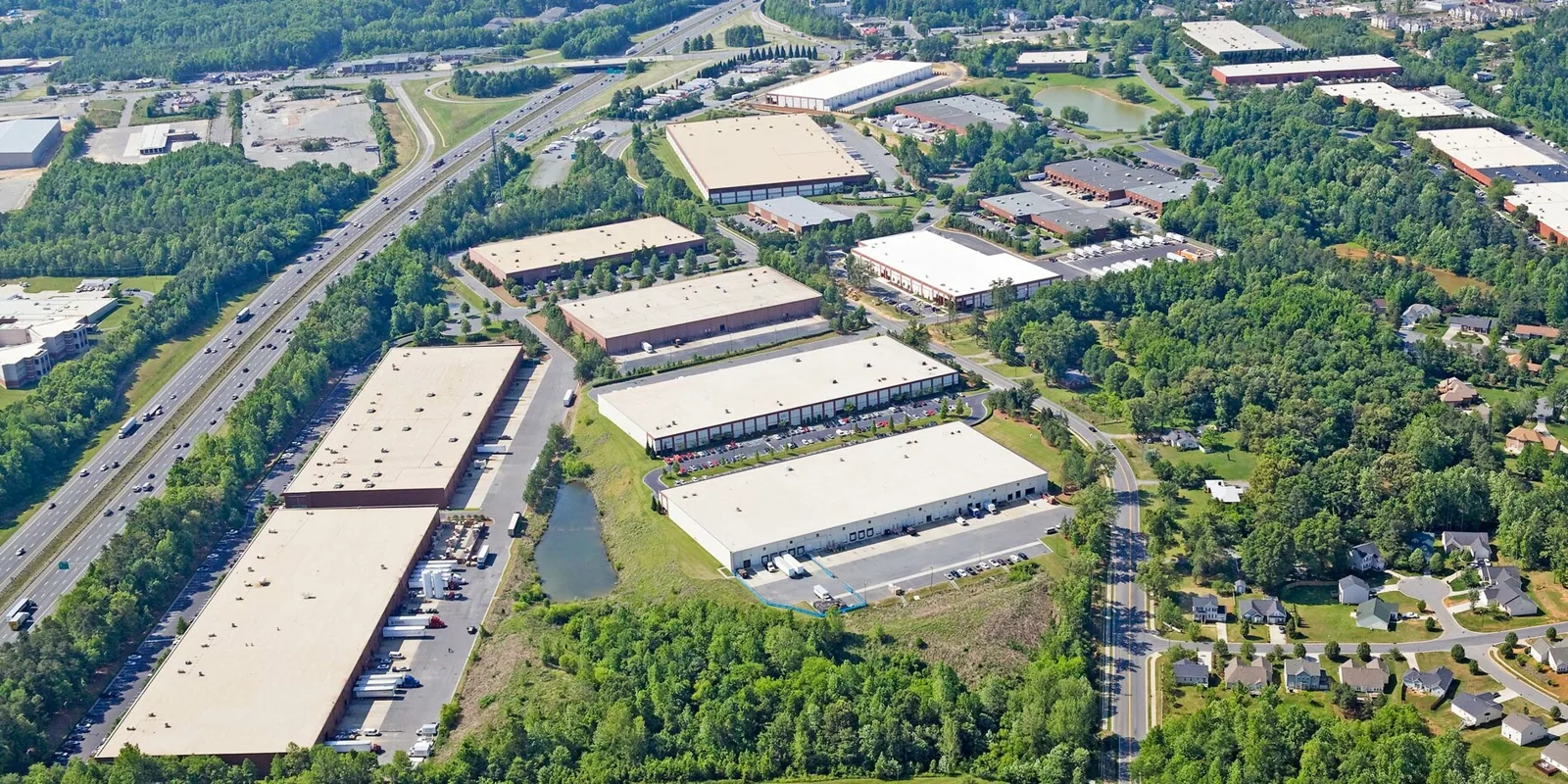
Townsend Business Park is identified on the City map in High Point's south-central industrial area. The map situates it within the I-85 and I-74 access network and near Springfield Road and Market Center Drive. That orientation helps plan service, but it does not supply a roof plan or show what condition an individual property is in. We confirm the site contact and inspect the actual roof before specifying repairs or replacement.
Commercial roofs in a business park may need routine maintenance, a leak repair, storm follow-up, or capital planning. The owner needs to know what the inspection could reach, what is visible, and what requires testing. We tie each finding to a marked location and keep urgent work separate from longer-range options. The result is an actionable record for the building, not a broad statement about the district.
Confirm site rules before material movement
The map's road network can help a dispatcher orient the visit, while the property's operating contact determines gate instructions, delivery timing, roof entry, and staging. We verify those details before assigning a lift or moving materials. If the building operates while work occurs, mark pedestrian paths and loading functions that need to remain open. Put the agreed limits into the daily plan, and update it if work shifts to another roof zone.
On a phased project, the crew should know which area can be opened, which needs temporary protection, and how the roof will be sealed before leaving. A phased reroof sequence helps the property contact review disruption and emergency access before demolition begins.
Document the problem before assigning a scope
A roof condition record should answer where the issue is, how it relates to other details, and what was visible. We review reported water entry, check nearby seams and penetrations, and trace the likely route toward a drain or edge. The report includes photographs and roof-plan references. Where access is blocked, we list the area and the method needed to inspect it rather than extending the finding beyond the evidence.
A commercial inspection can serve as a baseline before a capital request. If moisture is suspected under the surface, identify whether a focused scan or core is warranted. Thermal patterns and interior stains need interpretation alongside assembly records. A precise report gives the owner a credible decision basis without overstating certainty.
Respond to leaks and verify the tie-in
Water entry should be controlled promptly, especially where a leak affects active work or contents. We identify the suspected opening, protect the exposed area, and note whether a temporary measure is needed while the permanent detail is scoped. Emergency service is available outside normal hours, weekends included, and during holidays. The first response does not replace a later inspection when the roof is safe to revisit.
The leak repair scope should show what is removed, how the surface is prepared, and where the new flashing or membrane ties into stable roofing. Mark repairs separately from maintenance items. If opening the assembly reveals wet insulation, record the additional limit and seek owner approval before expanding the work area.
Use regional winter records for maintenance timing
NOAA normals near High Point report 68.5 annual days when minimum temperatures reach freezing or lower, with 7.1 inches as the normal snowfall total. These are regional station averages, not readings from Townsend Business Park. They make winter preparation practical: inspect drains and scuppers, document low areas, and confirm the access plan for a cold-weather visit. The report should describe what was seen that day.
In warmer weather, follow product instructions for adhesives, sealants, and coatings, and keep rooftop material protected as required. A maintenance visit can record seasonal conditions and recurring repair needs. The owner can use a consistent map and photo history to see whether a detail changed between visits.
Keep adjacent park records separate
McWay Industrial Park and Baker-Springfield Industrial Area are separately named on the City map. Their locations in the south High Point commercial network can support route planning, but not a shared diagnosis. We confirm each address, owner contact, and authorization before setting a roof walk. The condition report remains tied to the building where observations were made.
A separate McWay inspection and Baker-Springfield service visit can be coordinated on the same calendar. If one owner manages both, a multi-property schedule can compare due dates while preserving each property's repairs and measurements.
Review alternatives through verified assembly
Recover and replacement proposals should disclose the current layers, moisture findings, attachment, deck condition, drainage, perimeter heights, and code criteria. If an unknown could affect scope, identify the core, pull test, or access needed to resolve it. Replacement may include tear-off, insulation, cover board, metal edges, roof drains, rooftop equipment coordination, and temporary protection. Those quantities should not be inferred from the park's boundaries.
If TPO is proposed, the roof assembly needs a project-specific attachment, flashing, and perimeter design. The owner can compare alternate scopes only when both bids state the same basis and exclusions. Keep proposed work distinct from urgent repairs already authorized.
Return the work history to the property
Preserve the final roof plan, material information, dated photographs, testing, repair details, approved changes, and deferred items with the Townsend property record. Identify which work area each image documents. If maintenance staff later find a new issue, they can compare it with the prior baseline rather than repeating an inspection from memory.
At the start of a maintenance cycle, identify what changed since the prior visit: new equipment, tenant work, patched membrane, blocked outlets, or a reported leak. The inspection should revisit previous repair locations and note whether adjacent seams or flashing now show movement. Keep new concerns separate from old observations that remain stable. A dated map makes that comparison possible and gives the owner a practical list for budgeting the next repair window.
During a reroof, record the daily roof area completed and any temporary seam that remains for the next shift. The supervisor should check that the temporary tie-in is secure before crews leave. The property contact can then see whether a delay changed the plan or left any area requiring follow-up at the next visit.
At turnover, explain which items the owner should monitor and which require a roofer. Routine observation may include visible debris at drains or new interior staining, while membrane cutting or flashing repair should follow the installed system details. Keep this distinction in the maintenance file. It helps facilities staff report a condition early without attempting work that could damage the assembly or complicate a later repair.
If work is deferred, record the reason and what condition should trigger another inspection. A deferral does not confirm that a roof is serviceable indefinitely. The property manager should keep an updated contact, access procedure, and maintenance file so emergency response can begin with usable information if water enters before the planned project.
We can inspect one roof section or prepare a larger project scope in Townsend Business Park. Before the visit, confirm access and share any available drawings or leak reports. Afterward, the written record identifies findings, limits, and the next decision required from the owner.
Related Roofing Work
Storm and Roof Damage Repair
Storms that reach the Triad can lift edges, open seams and crack flashing. Start here:
- Wind Damage Roof Inspection and RepairInspect High Point commercial roofs after high winds, document edge and flashing conditions, stabilize exposure, and define measured repair limits.See repair options
- Hail Damage Roof Inspection and RepairAssess High Point commercial roofs after hail, document impact evidence, select focused testing, and define measured repairs without assuming causation.See repair options
- Tornado Damage Roof Assessment and RepairAssess High Point commercial roofs after tornado damage with released access, roof-zone mapping, temporary stabilization, and staged repair records.See repair options
Roof Assessment
Arrange a commercial roof visit in High Point
Schedule a roof walk to document conditions, confirm site access, and define a practical next step.
Questions About Townsend Business Park
Does the park map determine where a crew can enter?
No. Confirm access, loading, and roof-entry instructions with the specific property contact.
Can you perform a maintenance inspection without a leak?
Yes. A baseline visit can document visible details and establish follow-up priorities.
What does freezing-day data say about one roof?
It offers regional climate context. Only a site inspection establishes current roof conditions.
Can a leak repair expand if concealed damage is found?
It can after the added condition is photographed, scoped, and approved by the owner.
More questions? Ask our roofing team or call 555-555-5555.
Request a Roof Assessment in High Point
Send the address, the roof concern and when the roof can be reached. We walk the roof, photograph what we find and explain the repair or replacement options.
Roof Assessment
Commercial Roofing in High Point
Call, email or send the building details. We set a time to walk the roof and look at the leak, the drains and the flashing.