
Service Areas
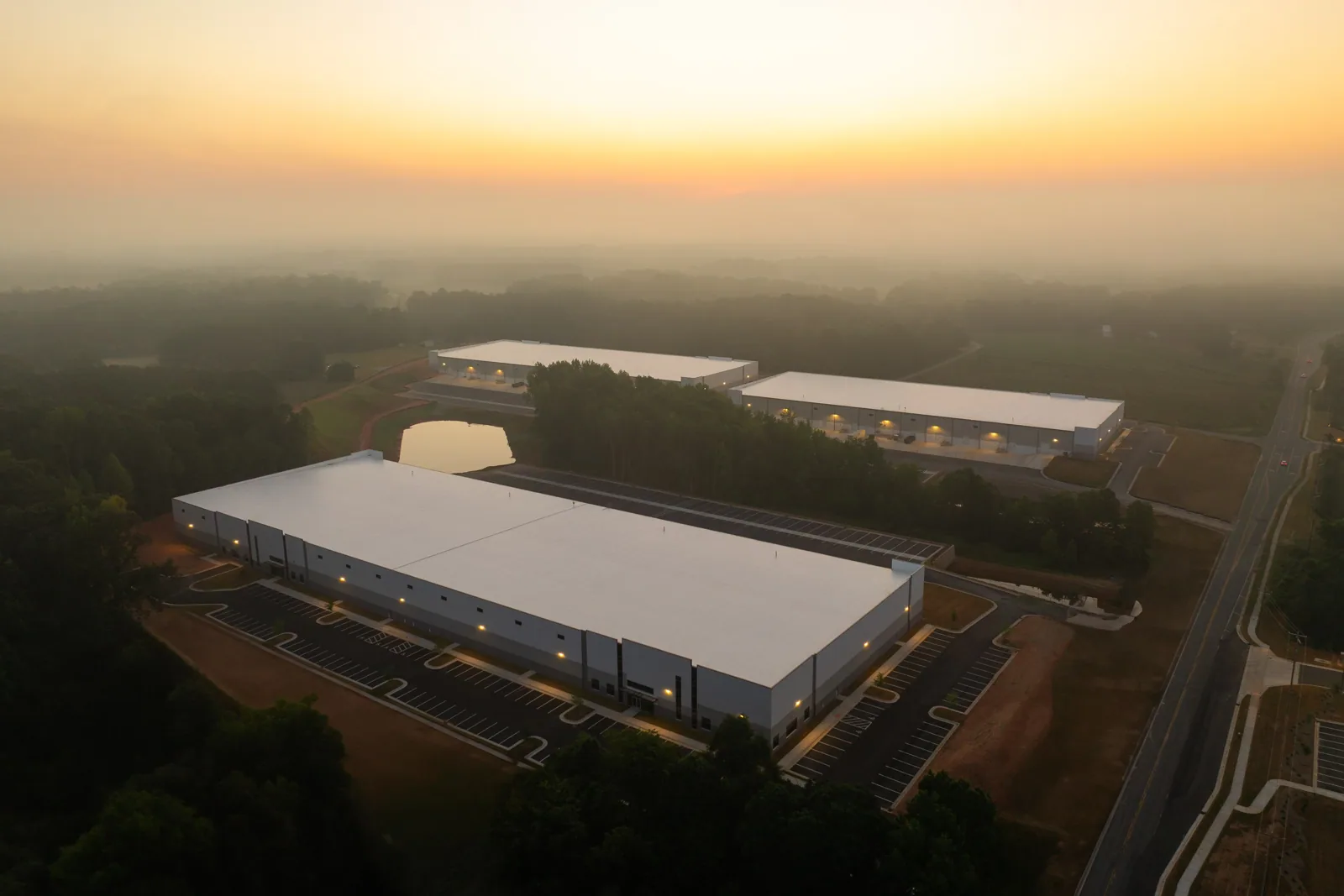
Commercial Roofing in McWay Industrial Park, High Point, NC
Commercial roof inspections, leak repair, maintenance, and replacement planning for properties in McWay Industrial Park, High Point.
McWay Industrial Park appears in the City GIS map among the south High Point business areas. The same map places it near the I-85 and I-74 corridors and the Market Center Drive, English Road, and Springfield Road industrial network. This is useful for locating a roofing request and planning a service visit. It does not establish which building is involved, what membrane is installed, or whether the roof has a current defect. We confirm those details at the property.
Our commercial roofing work in McWay can begin with an inspection, an active leak, maintenance, storm follow-up, a recover question, or replacement planning. Each path has a different scope. The first roof record identifies access, visible layers and details, drainage, prior repairs, and any area that could not be observed. That evidence gives the owner a basis for the next decision.
Build the work plan around verified access
The map's road context helps orient dispatch, but the property contact defines where trucks enter and materials can be staged. Before a visit, confirm lift access, safe roof entry, security procedures, employee routes, and operating hours. If materials move near an active loading area, agree on the timing and keep that route clear. A job plan should identify the specific building and roof zone so a crew does not treat the entire industrial park as one work area.
On a replacement project, mark daily opening and close-in boundaries. If weather or a concealed condition changes the sequence, document the new stopping point and temporary protection. An occupied-site reroof plan can coordinate roof work with operations while preserving a record of who approved each access window.
Trace details that control water movement
Industrial roofs may have multiple drains, penetrations, equipment curbs, and transitions across additions. We inspect those details and compare them with the reported interior symptoms. Water can move beneath the surface or along a deck before staining appears below. Photographs should identify the location and view direction; a close-up without a roof-plan reference is difficult to use on a return visit.
A baseline inspection can document visible conditions even when no leak is active. If moisture beneath the membrane is suspected, identify the method that would confirm it, such as targeted infrared review or a core. The report separates confirmed findings from areas that need testing, so the owner is not asked to authorize an undefined removal area.
Set limits on an active repair
When water enters a building, the first response is to locate the probable opening and reduce exposure to the interior. Emergency dispatch is available overnight, on weekends, and through holidays. The service record notes the conditions on arrival, any temporary material used, and the areas that remain unverified. A return inspection can check the permanent repair after the roof is dry and safe to access.
A lasting repair must tie into roofing that can hold the detail. The repair scope names preparation, replacement layers, flashing, and the boundary to be tested or inspected. If wet insulation or damaged deck expands the work, document the discovery and seek approval before covering it. That keeps emergency control distinct from additional construction.
Use heat and winter exposure to time visits
NOAA normals from the nearby airport station include 7.1 inches of snow annually and 33.3 days with highs at or above 90 degrees. Those are regional station averages, not measurements at an individual McWay building. The warm-season number is a reminder to follow the selected membrane's storage and application limits; the winter record can inform checks of drainage and safe access. An inspection still records the actual roof and weather observed that day.
After a storm, look for visible openings, displaced edge metal, loose flashing, or a new interior report. The weather itself does not determine whether the roof sustained damage. A storm inspection should tie each recommended action to a roof-zone photograph. A scheduled maintenance visit can create a pre-event comparison when the owner needs one.
Coordinate south High Point service individually
Townsend Business Park and Baker-Springfield Industrial Area are separately marked in the City's south High Point commercial map. Those names help locate regional work, yet each building still needs its own access approval and roof history. An owner who schedules work in two named areas should receive distinct reports and scopes even if the visits share a mobilization day.
A separate Townsend Business Park inspection or Baker-Springfield roof visit can be coordinated on the calendar. We keep the condition maps separate. An asset register can help a portfolio contact track service dates without merging measurements or repair boundaries.
Compare project routes with the same assumptions
A recover evaluation should establish the existing layers, moisture, attachment, deck strength, drainage, code constraints, and remaining edge height. If those facts cannot be confirmed, identify the test or access step required before the owner treats the scope as final. Replacement adds removal, disposal, insulation, edge work, rooftop equipment coordination, and daily weather protection. Show those components separately so the alternatives remain comparable.
The recover review should not assume that leaving an old assembly in place is suitable. If replacement is supported, the project scope should define roof zones, accepted system details, and closeout records. Include allowances only for genuinely concealed conditions and describe how they will be approved.
Preserve the evidence for the next visit
At closeout, retain roof maps, dated photos, product data, repair locations, test records, approved changes, and open items under the correct McWay property identifier. The files should allow facilities staff to locate a drain, curb, or edge detail without relying on memory. If another trade later changes a roof penetration, add that activity to the maintenance record.
Where a roof has been repaired more than once, compare the current detail with prior photos before authorizing another patch. A repeated leak can indicate a failed tie-in, a different water path, or a separate opening nearby. Record the surface condition, the material removed, the substrate, and how the new work meets retained roofing. If the owner has no reliable assembly information, identify the document or test that would resolve the question rather than assuming the membrane from its appearance.
Where the roof connects to wall or metal work, check the termination and fasteners rather than focusing only on the membrane field. A small transition defect can admit water behind flashing and produce a remote interior stain. Capture the overlap, sealant, and adjacent substrate in separate photographs and tie them to the plan. If the roof edge is concealed or cannot be safely reached, describe that limit and identify the access needed for a complete review.
A project schedule should also name who can stop work when the deck is wet or weather threatens the open area. State how the crew will protect the building, who reviews a discovered condition, and when the roof may be closed. This gives the facility contact a clear process for decisions during work and lets the final roof record show why any added repair was authorized.
For McWay Industrial Park, a roof visit can address one reported defect or start a longer capital review. We state what was observed and what remains out of reach. The owner receives a defined action, whether that is repair, a test, maintenance, or a replacement proposal, with the basis attached to the building's record.
Related Roofing Work
Storm and Roof Damage Repair
Storms that reach the Triad can lift edges, open seams and crack flashing. Start here:
- Wind Damage Roof Inspection and RepairInspect High Point commercial roofs after high winds, document edge and flashing conditions, stabilize exposure, and define measured repair limits.See repair options
- Hail Damage Roof Inspection and RepairAssess High Point commercial roofs after hail, document impact evidence, select focused testing, and define measured repairs without assuming causation.See repair options
- Tornado Damage Roof Assessment and RepairAssess High Point commercial roofs after tornado damage with released access, roof-zone mapping, temporary stabilization, and staged repair records.See repair options
Roof Assessment
Arrange a commercial roof visit in High Point
Schedule a roof walk to document conditions, confirm site access, and define a practical next step.
Questions About McWay Industrial Park
Does the City map show a building's membrane?
No. It locates the business park and transport corridors. The installed roof must be identified from records or inspection.
Can the same roof crew visit nearby industrial parks?
Scheduling can be coordinated, but access and findings remain separate for each property.
What do you record during an emergency call?
The arrival condition, likely entry point, interior exposure, temporary action, limits, and any follow-up needed.
Do heat normals prove membrane damage?
No. They are regional climate context. The inspection records the actual condition and product-specific application requirements.
More questions? Ask our roofing team or call 555-555-5555.
Request a Roof Assessment in High Point
Send the address, the roof concern and when the roof can be reached. We walk the roof, photograph what we find and explain the repair or replacement options.
Roof Assessment
Commercial Roofing in High Point
Call, email or send the building details. We set a time to walk the roof and look at the leak, the drains and the flashing.