
Service Areas
Commercial Roofing in Southwest Industrial Park, High Point, NC
Commercial roof service in Southwest Industrial Park, High Point, with inspections, leak repair, maintenance, and evidence-based reroof planning.
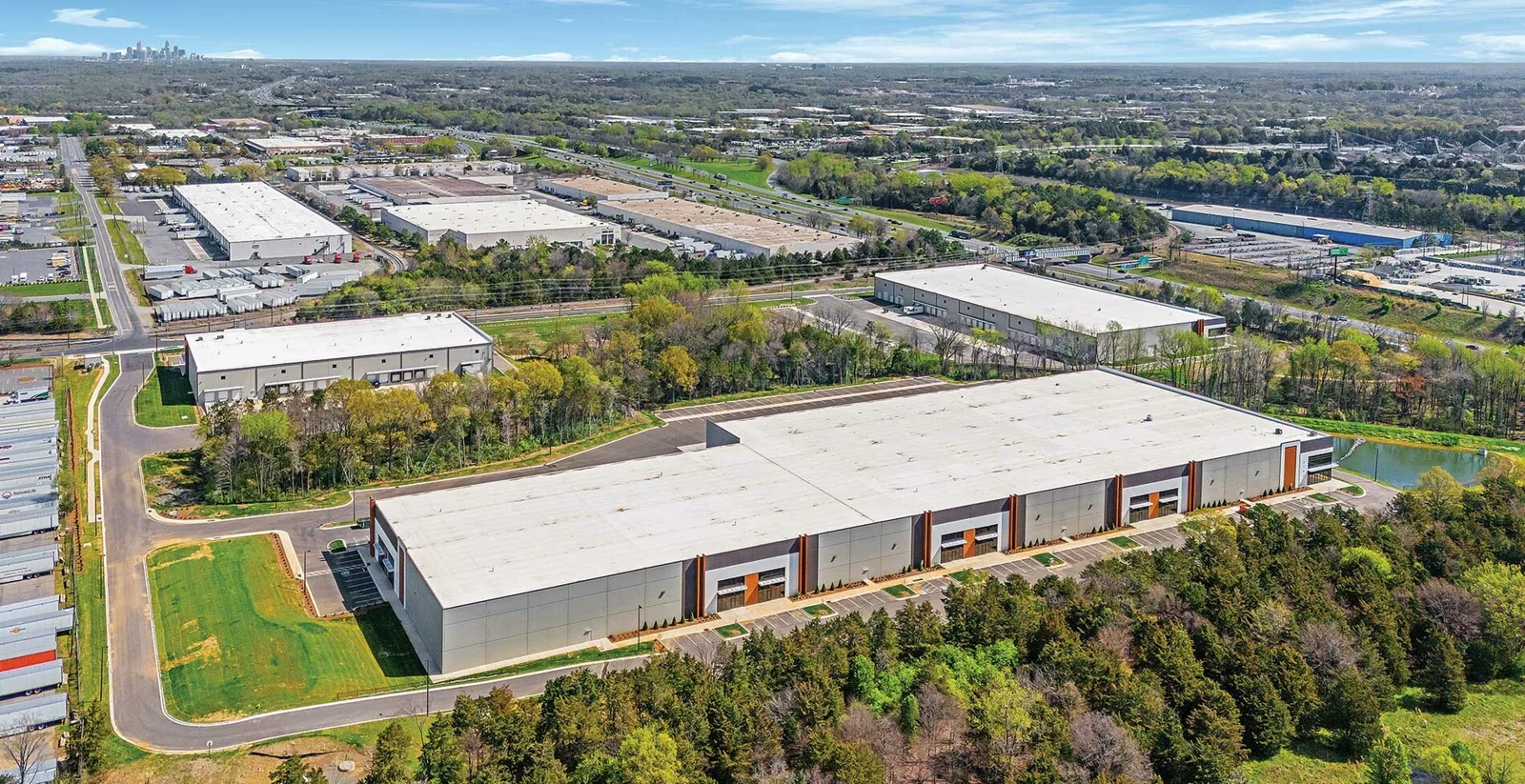
Southwest Industrial Park lies in southwest High Point near NC 66, US 311, and I-74. Use those corridors to orient a visit, then confirm the property address, receiving route, roof access, and work authorization with the site contact.
Commercial roofing in this area can involve leak response, scheduled maintenance, storm follow-up, recover assessment, or a full reroof. Each recommendation depends on the surface, existing layers, drainage, attachment, deck, and perimeter details. We record what can be observed and name any testing or access needed to resolve concealed conditions before the owner commits to a larger scope.
Plan around the actual delivery path
NC 66, US 311, and I-74 frame the area's wider road network, but the property itself controls the final truck route and staging point. Confirm where a material lift can operate, which entrance must remain clear, and when deliveries can occur. A roof plan should show the work zones and identify any equipment or occupied area that needs protection. These details help a crew move material without treating the industrial corridor as an open staging area.
For an active facility, a work sequence for an occupied building should state daily close-in, debris control, and who accepts changes to the schedule. If the roof cannot be closed due to weather, the plan needs a temporary protection method and a contact for the decision.
Measure and photograph each condition
We inspect roof membranes, seams, edge transitions, drain bowls, scuppers, curbs, and prior patches. A leak report directs attention but does not prove the defect is directly above the stain. We trace likely water paths and note whether roof sections or equipment prevented access. Measurements and photographs are tied to the marked roof plan so a later visit can return to the same point.
A condition inspection can identify maintenance items and separate them from active failures. If there is evidence of moisture beneath the surface, determine whether a core or targeted survey would change the repair boundary. Record the method and limits; do not expand a replacement quantity from a thermal pattern alone.
Respond to water entry without overstating scope
When an interior area is exposed to water, immediate stabilization may be needed. We locate the likely roof opening, protect the affected area where feasible, and note whether the action is temporary. Emergency dispatch is available outside business hours and on holidays. The initial service record identifies what was inspected and what requires a return visit for permanent correction.
A repair proposal defines preparation, compatible materials, transition details, and the test or inspection used to verify the work. If removing material uncovers wet insulation or substrate damage, photograph the condition and seek approval before widening the opening. That procedure gives the owner a clear choice on added scope.
Prepare drainage for seasonal freeze exposure
High Point’s four-season climate brings occasional snow and recurring winter freezes. Plan seasonal drainage checks around those conditions, then record the roof surface and weather observed on the visit date.
Following a storm, inspect perimeter metal, flashings, penetrations, and any new interior water reports. The event itself does not establish damage. A storm follow-up should connect each action to a photographed roof condition. A maintenance schedule can preserve an inspection baseline before another season.
Distinguish the other mapped industrial areas
Swathmore Avenue Industrial Park and Baker-Springfield Industrial Area are distinct entries on the City map. They sit in the broader south High Point commercial network, but their buildings, owners, and access requirements remain separate. When an owner asks for multiple visits, confirm the addresses and authorization before dispatch. Do not carry one property's findings into another property's report.
A separate Swathmore Avenue review and Baker-Springfield inspection can be coordinated on the calendar. A roof asset file can preserve each property's own map, repairs, and next due date.
Set the basis for a reroof decision
Before pricing recovery or replacement, verify existing layers, attachment, moisture, deck capacity, drainage, edge height, rooftop equipment, and applicable code. A recover is not viable just because it reduces tear-off. State which conditions are confirmed and what opening or test remains necessary. Replacement should include demolition limits, insulation, edge metal, temporary weather protection, and how each day's work will be closed.
When selecting a system, compare complete assemblies rather than the surface name. A TPO specification needs attachment, insulation, flashing, and edge criteria matched to the project. The proposal should distinguish measured quantities from allowances for concealed conditions and identify the approval needed before added work begins.
Keep closeout practical for facility staff
The final roof file should include the marked plan, installation or repair records, dated photos, product documents, test results, and outstanding observations. Label each item with the building and zone. If a later contractor creates a new penetration or works on a drain, record that event so the service history stays current.
Before winter maintenance, walk the drainage path from roof area to outlet and note any obstruction, debris, low section, or repair that changes flow. A clear drain at the bowl does not prove that water can reach it from every roof zone. Photograph the location and mark whether the condition is recurring. If safe access is limited by cold or wet conditions, state what could not be checked and schedule a return instead of implying that the entire roof was cleared.
A good service file preserves the date, roof location, observed detail, and corrective action. If a later visit finds a change, compare it with the prior record before assigning a new scope. The chronology can show whether the same transition is recurring or whether a separate area now needs attention.
When an owner must keep part of the property open, identify the roof zone that can be isolated and the route occupants will use below. Coordinate lifts with any active driveway and review temporary barriers before work starts. A daily log can show which area was sealed and whether the crew left a temporary tie-in. These records help the facility contact understand the next day's starting point and any weather-sensitive area.
For a larger project, coordinate perimeter work with the system installation. Edge metal, parapet terminations, scuppers, and wall flashing should be reviewed as part of one continuous water-shedding design. Confirm the submittal and field detail agree before covering the edge. At closeout, save the accepted details and an image of the finished condition, making the next inspection more efficient and traceable.
For Southwest Industrial Park, a roof visit can address a current leak or establish a preventive plan. We confirm access, inspect the defined area, and deliver a scoped next step. The record shows where evidence ends so the owner can authorize further testing when hidden layers determine the decision.
For a multi-shift operation, give the facilities lead a simple daily status: area completed, temporary protection left in place, access needed next, and any test that is still open. This lets production staff plan around roof work without treating an uninspected section as complete. Keep each building's photos and repair quantities attached to its own plan.
Related Roofing Work
Storm and Roof Damage Repair
Storms that reach the Triad can lift edges, open seams and crack flashing. Start here:
- Wind Damage Roof Inspection and RepairInspect High Point commercial roofs after high winds, document edge and flashing conditions, stabilize exposure, and define measured repair limits.See repair options
- Hail Damage Roof Inspection and RepairAssess High Point commercial roofs after hail, document impact evidence, select focused testing, and define measured repairs without assuming causation.See repair options
- Tornado Damage Roof Assessment and RepairAssess High Point commercial roofs after tornado damage with released access, roof-zone mapping, temporary stabilization, and staged repair records.See repair options
Roof Assessment
Arrange a commercial roof visit in High Point
Schedule a roof walk to document conditions, confirm site access, and define a practical next step.
Questions About Southwest Industrial Park
Does the park map identify the building's roof assembly?
No. It places the business area. Building records or a field inspection establish the roof layers and system.
How do you use the nearby snowfall and freeze figures?
They inform regional maintenance timing; they are not a roof condition report.
Can storm service be based only on a weather alert?
No. We document observable roof conditions and link the repair recommendation to those findings.
What if replacement quantities depend on hidden layers?
The proposal identifies the test, allowance, or approval needed before those quantities become final.
More questions? Ask our roofing team or call 555-555-5555.
Request a Roof Assessment in High Point
Send the address, the roof concern and when the roof can be reached. We walk the roof, photograph what we find and explain the repair or replacement options.
Roof Assessment
Commercial Roofing in High Point
Call, email or send the building details. We set a time to walk the roof and look at the leak, the drains and the flashing.