
Service Areas
Commercial Roofing at Green Point Business Park, High Point, NC
Commercial roofing inspections, leak repairs, maintenance, and capital planning for Green Point Business Park properties in High Point, NC.
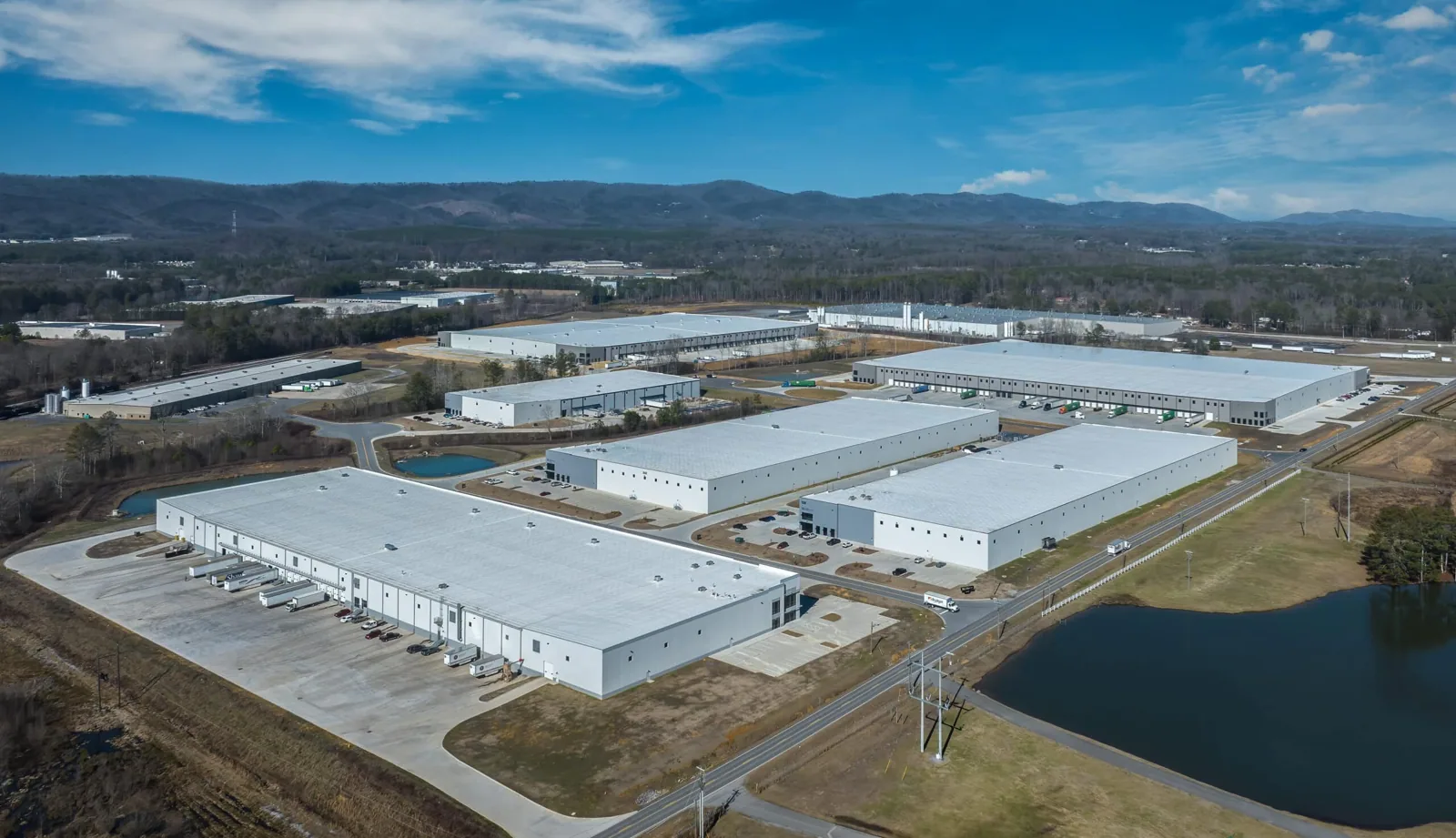
The City identifies Green Point as one of the smaller named business parks within Piedmont Centre, a larger campus it describes as more than 1,100 acres with over 170 companies. This is useful context for owners coordinating service within the campus. It does not establish the number of buildings at Green Point, current tenants, roof systems, or the condition of any individual property. We confirm the service address, building contact, and roof access before setting a scope.
A focused visit may investigate a leak, create a maintenance baseline, review storm concerns, or help plan capital work. We identify the areas actually inspected and record drainage, visible seams, transitions, penetrations, access constraints, and repair history when available. If the property is still being built or renovated, document that status and coordinate with the responsible project contact. The recommendation should be about the verified building rather than the campus-scale statistics.
Treat campus scale as context, not a roof inventory
The City’s campus-wide acreage and company count describe Piedmont Centre overall, not Green Point's roof area or building count. Before a portfolio review, ask the owner for a confirmed address list and assign a separate identifier to every structure. Record additions, roof elevations, and access points independently. Shared ownership can make scheduling easier, but it does not mean one inspection covers every roof or that similar-looking roofs have the same maintenance history.
A multi-site service plan can coordinate visits to Green Point and other Piedmont Centre areas while keeping reports distinct. The summary can show open actions and inspection due dates. Each property file should hold its own map, dated photos, measured quantities, and repair boundary. If data from several roofs are combined for budgeting, retain the source observations so the owner can trace a portfolio priority back to the actual building evidence.
Set safe access and business-hour requirements
Before mobilization, verify where visitors enter, whether the roof hatch or ladder needs an escort, and which staging areas are permitted. Ask about operating hours, deliveries, vehicle movements, lift placement, and photo restrictions. The park's name does not tell us whether a given property is occupied or whether access is open. Include the authorized contact's instructions in the work order and identify a backup if conditions at the gate differ from the schedule.
For construction, identify the sequence for moving materials and debris without interfering with site circulation. If the building remains active, define work hours and temporary protection for interior areas. An occupied-roof plan should give the facilities contact a clear daily boundary and a method for reporting a new leak or schedule change. That makes the work manageable without assuming the building has a particular use based on Piedmont Centre's aggregate company count.
Map conditions by roof section
Use a roof plan or field sketch to label drains, scuppers, wall transitions, penetrations, curbs, seams, edges, and any addition. A visual inspection should note where surfaces are obscured, where equipment limits access, and which observations are direct. If a tenant reports a ceiling stain, note its room and date separately, then inspect plausible water pathways above. A reported symptom and a confirmed opening should not be treated as the same fact.
A roof condition review should explain whether moisture testing is warranted and what a test would resolve. If infrared is proposed, note the conditions needed for a meaningful scan and plan targeted verification. A core may answer a different question and should have a defined location and restoration detail. This disciplined approach keeps a property owner from commissioning unnecessary removal while ensuring that uncertainty is visible in the final report.
Apply Greensboro climate normals with attribution
NOAA normals for Greensboro (KGSO), the nearby airport station, show annual highs of at least 90°F on 33.3 days and 7.1 inches of normal snowfall. Those regional patterns help with seasonal inspection planning and roof-access scheduling. For installation, use the actual field conditions and the selected product's current requirements.
High Point has a documented history of severe weather, but the occurrence of a storm does not establish damage at Green Point. If the owner requests a post-event review, inspect accessible flashings, edges, drains, penetrations, and the area associated with any interior report. A storm inspection should link recommendations to photographs. Regular maintenance can capture a baseline before a future weather concern arises.
Schedule nearby properties as distinct work orders
Green Point is one of several smaller areas within Piedmont Centre. Federal Ridge and Eagle Hill are separately named locations, and their building records should not be merged into a Green Point inspection. Similar campus context may help schedule visits together. It cannot tell us which contact has authorized access or whether a repair detail observed elsewhere exists on this property. Confirm every address before loading materials or dispatching a crew.
An owner can request a separate Federal Ridge assessment or Eagle Hill roof visit. Each needs its own report even if appointments occur in one service cycle. A roof asset register can summarize the portfolio and preserve building-level documents. The register should make the address and inspection date visible so later staff do not mistake a neighboring property's findings for Green Point evidence.
Choose repair or replacement from field evidence
For an isolated defect, determine whether the material around it can accept a durable tie-in and whether water has traveled into adjacent layers. The repair scope should define preparation, flashing or seam work, boundaries, and review method. If the roof has recurring leaks, wet insulation, widespread deterioration, or deck concerns, identify the testing needed before comparing larger options. No campus-level acreage or company count substitutes for that roof-specific evidence.
A recover assessment should address the existing layers, moisture, attachment, deck, drainage, code, and available height. A replacement proposal should state removal, insulation, new assembly, edges, equipment coordination, access, daily dry-in, and closeout. Compare paths with the same quantities and assumptions. Make concealed-condition allowances explicit so the owner can see what remains uncertain before approval.
Keep a current building record
The closeout file should include a dated roof map, photographs, repairs, products, tests, accepted changes, warranties, and open questions. Save it under the specific Green Point building identifier, not only a campus folder. If maintenance staff later add equipment or call another contractor, update the map and note the date. This gives the next inspection a reliable starting point and helps distinguish a new condition from one that was already documented.
Where documentation is incomplete, note the missing drawing or warranty page and identify who can supply it. The owner can then decide whether a records search, limited opening, or field test is justified before the next budget cycle.
Green Point's relationship to Piedmont Centre provides context for service coordination, while the building's own records establish its roofing needs. We can respond to a leak, document accessible roof conditions, schedule maintenance, or prepare a capital scope after verifying the property and contact. The report identifies what was observed, what could not be reached, and what evidence would change the recommendation. That level of clarity supports both a local repair decision and a longer portfolio plan.
Related Roofing Work
Storm and Roof Damage Repair
Storms that reach the Triad can lift edges, open seams and crack flashing. Start here:
- Wind Damage Roof Inspection and RepairInspect High Point commercial roofs after high winds, document edge and flashing conditions, stabilize exposure, and define measured repair limits.See repair options
- Hail Damage Roof Inspection and RepairAssess High Point commercial roofs after hail, document impact evidence, select focused testing, and define measured repairs without assuming causation.See repair options
- Tornado Damage Roof Assessment and RepairAssess High Point commercial roofs after tornado damage with released access, roof-zone mapping, temporary stabilization, and staged repair records.See repair options
Roof Assessment
Arrange a commercial roof review in High Point
Schedule a building-specific roof walk to confirm access, document conditions, and define the next step.
Questions About Green Point Business Park
Does the 1,100-acre figure describe Green Point alone?
No. The City gives that figure for the larger Piedmont Centre campus.
Can Green Point and Federal Ridge share one condition report?
No. Visits may be scheduled together, but each building needs separate findings and records.
Are the Greensboro climate figures measurements at this park?
No. They are nearby station normals used only for regional context.
What information do you need before dispatch?
The exact address, authorized contact, access route, roof-entry instructions, and any operating restrictions.
More questions? Ask our roofing team or call 555-555-5555.
Request a Roof Assessment in High Point
Send the address, the roof concern and when the roof can be reached. We walk the roof, photograph what we find and explain the repair or replacement options.
Roof Assessment
Commercial Roofing in High Point
Call, email or send the building details. We set a time to walk the roof and look at the leak, the drains and the flashing.