
Roof Damage Repair
Commercial Snow and Ice Roof Assessment in High Point, NC
Assess High Point commercial roofs after snow or ice with safe access, drainage checks, weather limits, and a post-thaw inspection plan.
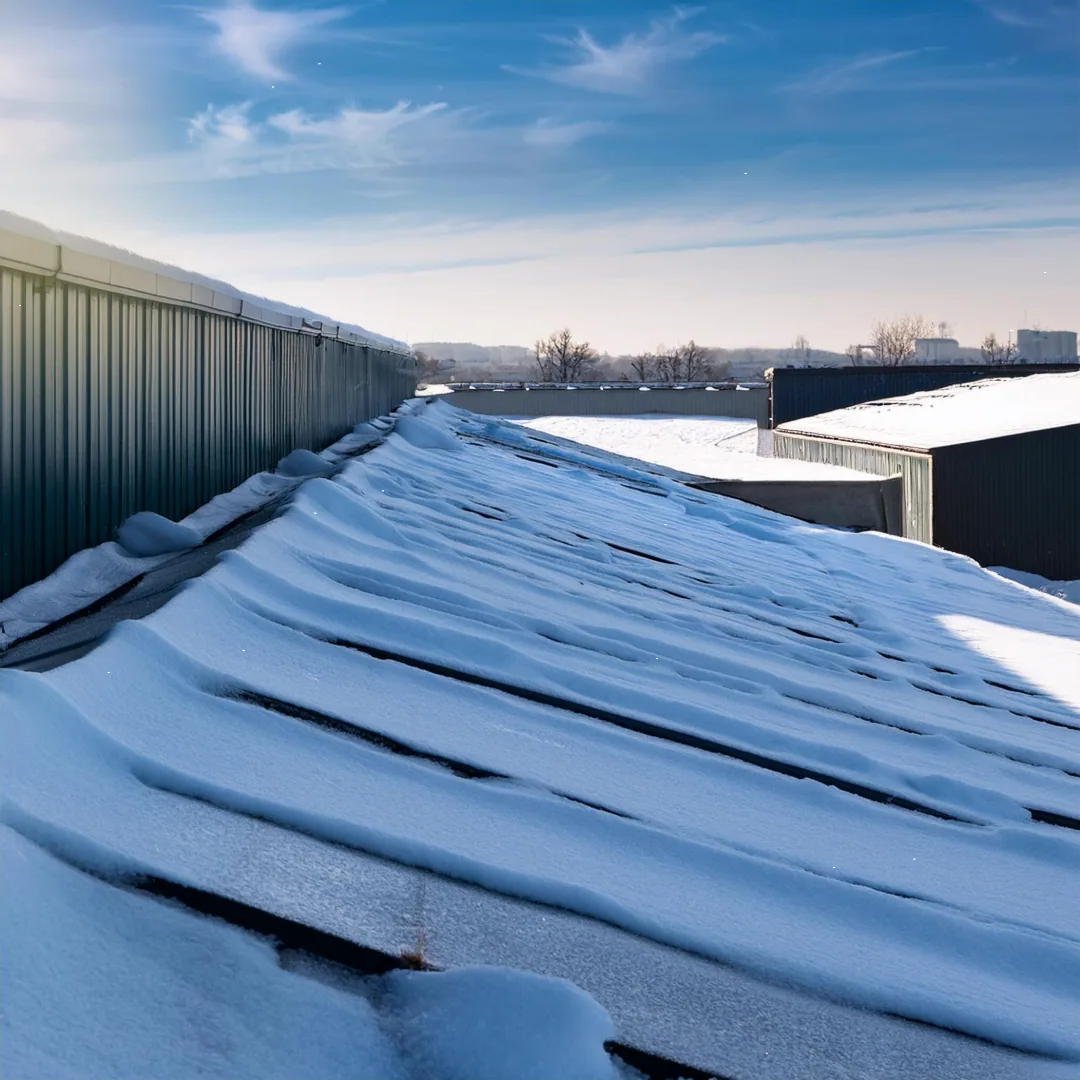
Snow and ice can complicate commercial roof drainage, access, and leak investigation, but a winter-weather report does not prove roof damage. The inspection records where snow or ice remains, visible roof conditions, drain and overflow status, and any interior water report. We do not direct unqualified staff onto a roof or treat snow removal as part of a repair unless the owner authorizes an appropriate safe method.
At Greensboro’s airport station, the annual normal is 7.1 inches of snow. The minimum temperature reaches freezing or below on 68.5 days in a typical year. High Point has four seasons and generally light winter snowfall. Use the regional pattern to plan inspection timing, then record the roof conditions present on the service date.
Use an on-site measurement for any current snow or ice report.
Set safe access and snow-removal boundaries
Before inspection, confirm whether the roof is clear, whether ice affects ladders or walking paths, and whether the property safety lead has released access. Avoid walking across concealed skylights, brittle surfaces, or areas with uncertain deck condition. Snow removal methods and allowable loads should be determined by qualified professionals using building-specific information.
If a leak is active, protect interior areas under the owner's procedures and consider a limited temporary measure only when roof access is safe. A winter response visit should state access restrictions, weather limits, and follow-up timing. Do not use an open flame or improvised tool that could puncture the membrane or create another hazard.
Photograph blocked drains from a safe position and note whether they can be reached without disturbing snow or ice. A roof inspection may need to return after thaw for a full surface review.
Where a building uses guardrails or other fall-protection systems, confirm their inspection status and approved use before a crew proceeds. Snow can conceal trip hazards, skylights, or low curbs. Mark the path that was actually used and identify any area the inspector avoided. If access cannot be made safely, schedule a return rather than treating a distant visual review as a full roof assessment.
Check outlets, overflows, and melt paths
Snowmelt may reach drains at different times across a roof. Record visible water, ice dams, blocked inlets, overflow scuppers, and downspout conditions where accessible. Do not assume ice at an outlet is the only blockage or that a dry-looking surface has drained completely below the snow cover.
A drainage review can assess exposed components and note what cannot be seen. If the property reports ponding after thaw, map the area and inspect slope, outlets, and nearby seams. The ponding assessment treats that condition separately from ice exposure.
When water enters a building, compare timing with thaw, rain, HVAC operation, and plumbing reports. Water may travel beneath roof layers. A leak investigation should connect the symptom with an observed roof opening or state that the source remains uncertain.
Check whether discharge from an upper roof crosses a lower roof, canopy, or entrance. Ice can form where runoff concentrates, and a secondary drainage path may be part of the building design. Photograph the visible path from a safe location and note the exact point where it becomes concealed. If a drain line is not visible below the roof, avoid describing it as clear without a separate flow test.
Review cold-weather roof details after conditions change
After snow and ice clear, inspect seams, flashing, edge metal, curbs, penetrations, drains, and previous repairs for displacement or damage. If ice removal was performed, ask who did it and whether tools contacted the membrane. Compare images taken before and after removal when available, and record any area that stayed covered during the first visit.
Freeze-thaw cycles may affect sealants or make surfaces brittle, but the cause of a crack or split should be evaluated from the actual material and history. A repair scope should identify measured damage, preparation, weather requirements, and any test needed before opening the assembly.
If the roof system is unknown, confirm it before selecting patch materials. Cold-weather application limitations vary by product. Do not promise permanent performance from a temporary repair installed outside its documented conditions.
Do not apply deicing chemicals to roofing materials without confirming compatibility and approval. A product intended for a walkway may affect membranes, metals, or drainage components. If the owner has used a treatment, record its name when known and ask the manufacturer or qualified roofer to assess any resulting interaction before specifying repair materials.
Snow guards, heat trace, and other installed controls also need a separate equipment check if they appear damaged. A roof inspector can photograph their condition and identify the location, while the responsible electrical or mechanical provider evaluates operation.
Use climate context carefully for High Point properties
High Point has four seasons and generally light winter snowfall. For properties near Piedmont Centre or Premier Center, confirm the address, access route, and contact before a return visit. The roof map should show which drains, seams, and interior areas were visible during the first inspection.
After thaw, check the same outlets and transitions photographed during the first visit. If snowmelt reached a ceiling, compare the timing with rain, equipment operation, and plumbing activity before assigning a roof repair. When thaw coincides with a lifted edge or displaced perimeter metal, document that separate condition and consider a focused wind-damage roof review rather than attributing every leak to ice. A follow-up should distinguish ice-related drainage effects from a separate opening, edge defect, or recurring leak.
Record weather limits and the return inspection
Closeout includes visit time, reported recent weather, areas reached, snow or ice still present, accessible drain observations, photographs, and any work performed. Note the restrictions that prevented a complete review and recommend when a return visit can safely inspect the cleared surface.
After thaw, compare the new roof map with earlier observations and check the locations of interior leaks. If water persists, reopen diagnosis and inspect alternate details rather than assuming snow or ice remains the cause. Keep temporary protection status and responsibility clear.
Request a winter roof assessment when drains appear blocked, water enters during thaw, or safe access is uncertain. We provide site-specific findings without inferring load capacity or conditions hidden under snow.
For the follow-up visit, bring the original marked plan and compare the same drains, seam transitions, and interior report locations. Note whether snowmelt has dried, whether new water was reported, and whether any temporary covering remains. This creates a useful comparison between the winter visit and the first unobstructed roof inspection.
Keep observations from covered areas clearly labeled so future staff can see which findings remain provisional. Update the asset record once the roof is fully visible and the recommended review is complete.
Keep any area that remained covered clearly identified. Once the surface is visible, compare it with the first visit and close only the findings supported by that inspection.
Related Roofing Work
Storm and Roof Damage Repair
Storms that reach the Triad can lift edges, open seams and crack flashing. Start here:
- Wind Damage Roof Inspection and RepairInspect High Point commercial roofs after high winds, document edge and flashing conditions, stabilize exposure, and define measured repair limits.See repair options
- Hail Damage Roof Inspection and RepairAssess High Point commercial roofs after hail, document impact evidence, select focused testing, and define measured repairs without assuming causation.See repair options
- Tornado Damage Roof Assessment and RepairAssess High Point commercial roofs after tornado damage with released access, roof-zone mapping, temporary stabilization, and staged repair records.See repair options
Roof Assessment
Plan a safe winter roof inspection
Arrange a High Point snow and ice roof review with access limits, drainage observations, and a return-inspection recommendation.
Questions About Snow and Ice Roof Assessment
Does High Point snowfall mean my roof has damage?
No. Regional normals provide climate context; inspection findings and building-specific information are needed to describe a roof condition.
Should staff remove snow from the roof?
Use a qualified professional and building-specific plan. The owner’s safety lead controls access and removal decisions.
Can ice at a drain cause a leak?
It may affect drainage, but the leak source should be inspected. Water can also enter at seams, curbs, or other details.
Can you fully inspect a roof while it is covered in snow?
Not every surface or detail may be visible. The report should list covered or inaccessible areas and recommend a return inspection after conditions permit.
More questions? Ask our roofing team or call 555-555-5555.
Request a Roof Assessment in High Point
Send the address, the roof concern and when the roof can be reached. We walk the roof, photograph what we find and explain the repair or replacement options.
Roof Assessment
Commercial Roofing in High Point
Call, email or send the building details. We set a time to walk the roof and look at the leak, the drains and the flashing.